
Selim Pass & Caravanserai by Car: Guide
Plan your drive to Selim Pass and the Orbelian Caravanserai only after checking the road status and weather through official sources. An open road does not guarantee a safe crossing in your particular car.
9 min read
In this article
Plan your drive to Selim Pass and the Orbelian Caravanserai only after checking the road status and weather through official sources. An open road does not guarantee a safe crossing in your particular car, nor does it guarantee accessible parking near the caravanserai.
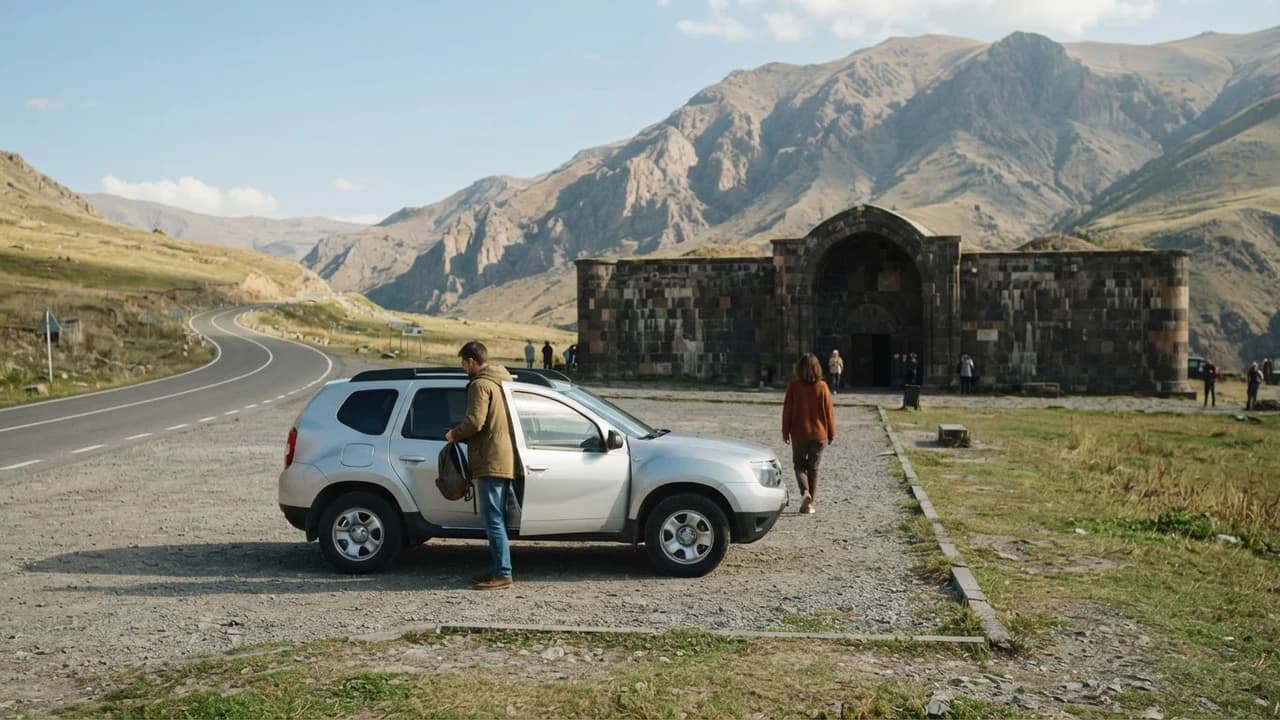
Selim Pass is also known as Vardenyats Pass. It connects Martuni with Yeghegnadzor, crossing the northern part of Vayots Dzor. The Orbelian Caravanserai sits right on this road, near the pass's highest point.
The trip is possible year-round, but conditions shift sharply with the weather. In winter and early spring, the road can be closed or restricted. After reading this article, you'll know how to check conditions, what car to choose, and when it's better to postpone the visit.
How to Reach the Caravanserai from Martuni or Yeghegnadzor
The Orbelian Caravanserai lies on the Selim (Vardenyats) Pass road, between Martuni and Yeghegnadzor. Both approaches work, but the route and timing differ.
From Martuni, you'll climb the pass's eastern slope. The road winds but is paved. From Yeghegnadzor, you'll cross the Arpa Gorge and climb the western slope. From either direction, the caravanserai sits right beside the road.
Safe parking is a separate question. An open road doesn't mean there's an organized lot near the monument. Parking availability, the condition of the road shoulder, and whether there's a pedestrian area must be checked carefully on site. Don't stop on a blind curve or a narrow stretch.
If the caravanserai is your only goal, check the road status before leaving Martuni or Yeghegnadzor. Remember that reaching the monument may require a short walk, depending on snow cover and the season.
How to Check the Pass's Status, Snow, and Weather
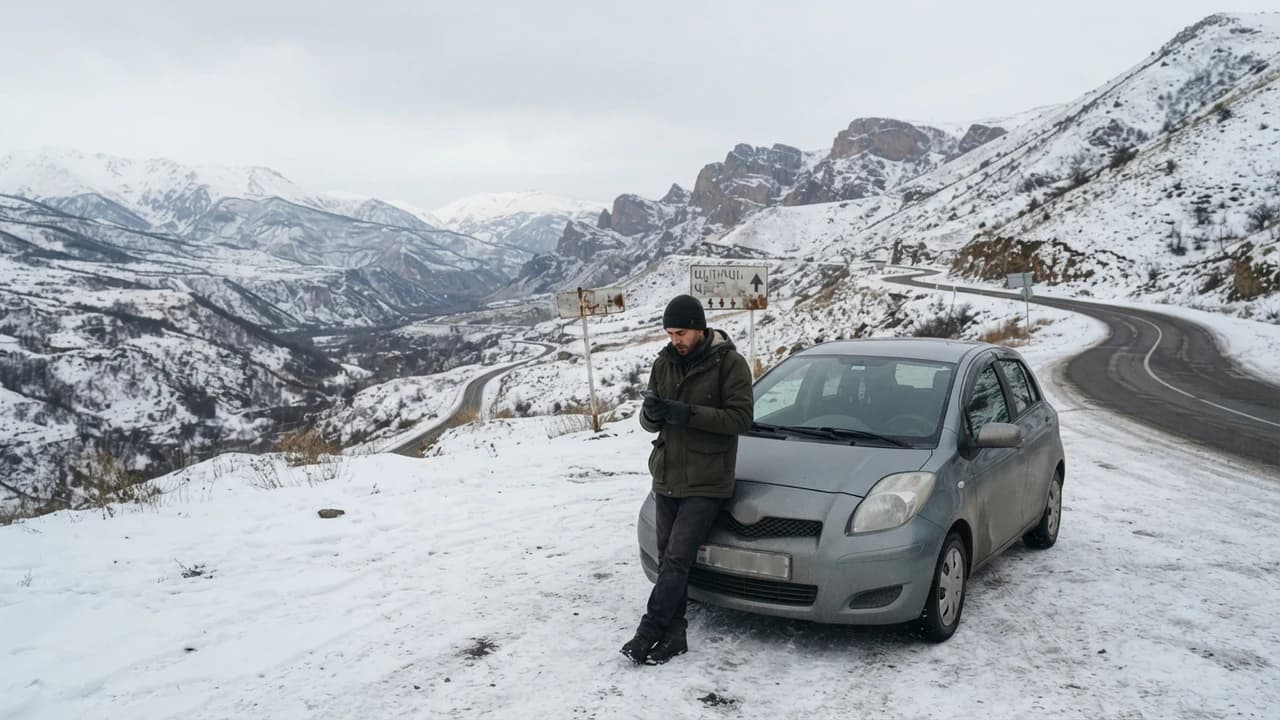
Check Selim Pass's status only through official sources, on the day of departure and again at the time you plan to return. Road conditions can change within hours.
Where to Find the Latest Road Report
The main official sources are: the Rescue Service of Armenia's Ministry of Internal Affairs (rescue.mia.gov.am), the Road Department's website (armroad.am), and the weather forecast from the Hydrometeorology and Monitoring Center under Armenia's Ministry of Environment (env.am).
Rescue Service reports state which roads are closed or difficult to pass, which vehicles the restriction applies to, and when the information was published. The Road Department publishes information about the operating condition of roads.
Pay attention to the report's timestamp, in Yerevan time. If the report was published at 8 a.m. and you're leaving at noon, conditions may have changed. Also check the forecast for your return window, not just the departure moment.
What to Do If the Information Is Old, Missing, or Contradictory
If the latest official report is from yesterday or absent entirely, that doesn't mean the road is open. Safer to call the Rescue Service hotline or check several sources at once.
When information contradicts itself, assume the worst-case scenario: the road is closed or difficult to pass. Don't rely on unofficial social media posts. Treat unconfirmed information as unreliable and postpone the trip.
The weather forecast matters too. The Hydrometeorology and Monitoring Center publishes daily and three-day forecasts, including warnings about precipitation and hazardous phenomena. Check the forecast before departure and for the day you plan to return.
What Car to Choose and What to Confirm with the Owner
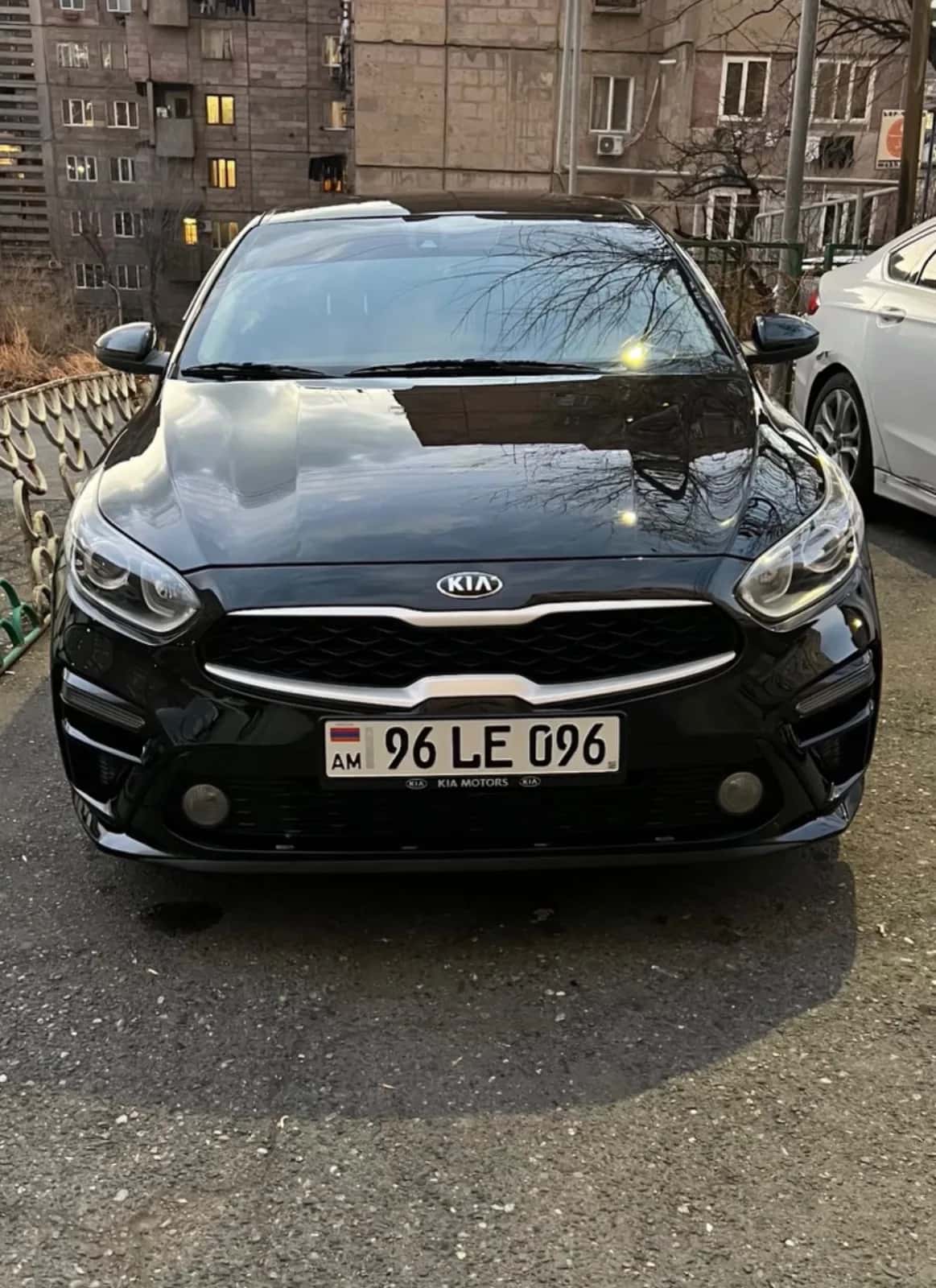
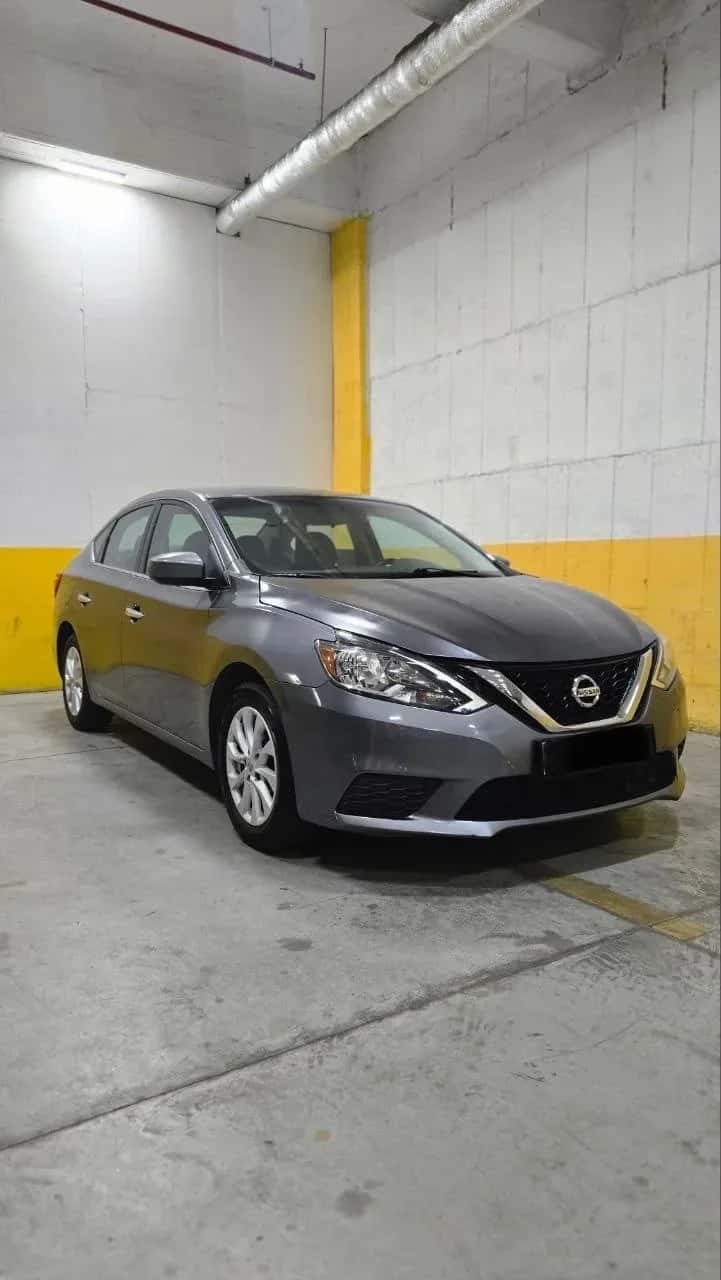
Your car choice should match the road's actual conditions. All-wheel drive helps on snow and mud, but it doesn't eliminate the risk of ice, and it doesn't override a road closure.
The Car's Condition and Seasonal Readiness
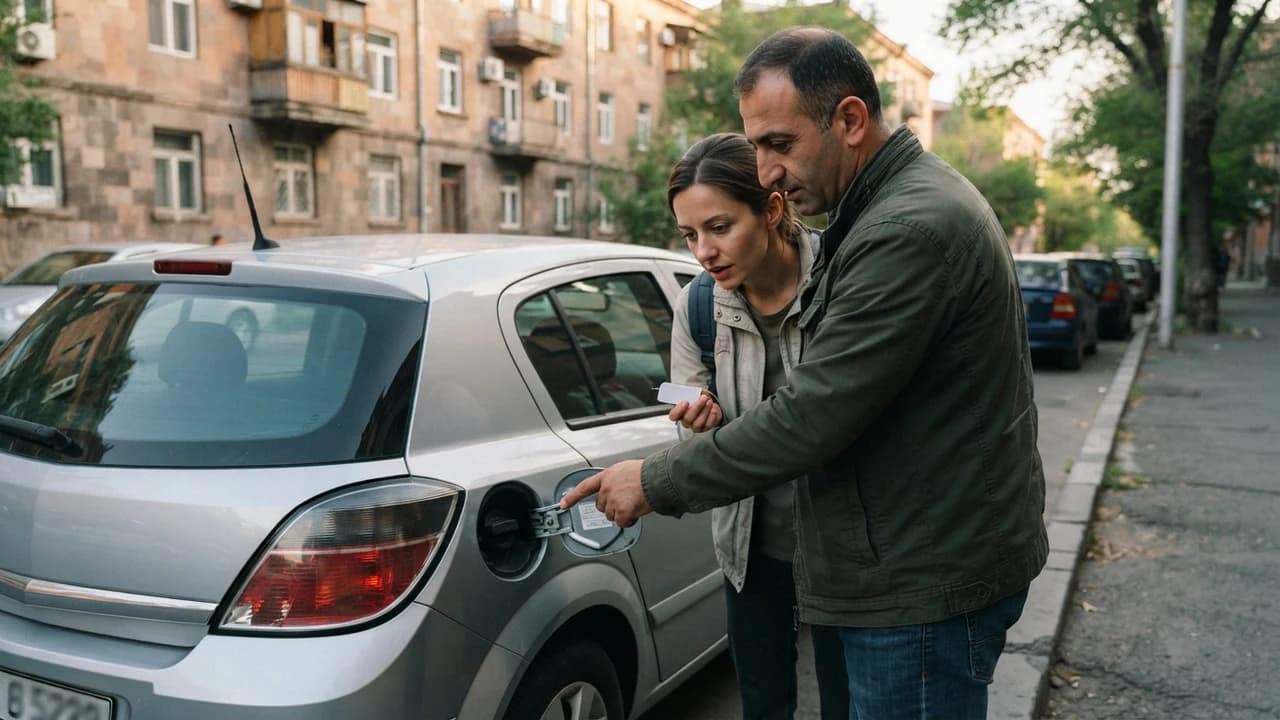
Before leaving, check the tires' condition and seasonal suitability. In winter, winter tires dramatically improve grip on icy roads. Chains can help, but they're only mandatory if an official report or road signs require them.
Check the brakes, lights, wipers, and washer fluid supply. On a mountain road, these details can be decisive. Bring warm clothes, water, and a charged phone with an offline map.
Rental Terms, Insurance, and Deposit
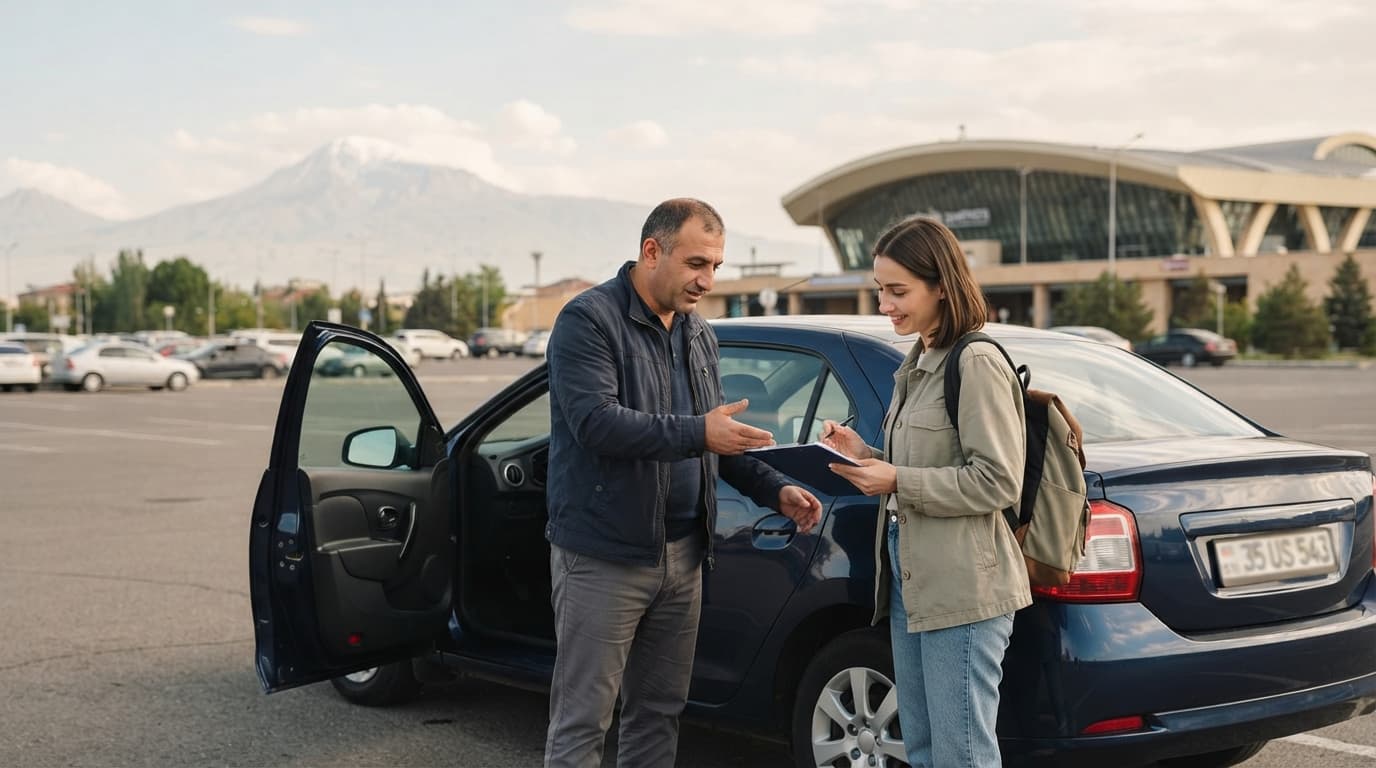
JanCar is a peer-to-peer car rental marketplace operating in Armenia in Armenian, Russian, and English. The cars belong to independent owners, and each listing's terms differ. Price, availability, insurance, mileage, fuel, deposit, and pickup arrangements are confirmed via the listing, with the owner, and in the contract.
Confirm with the owner whether the route is allowed. Some owners may restrict mountain roads. Check the acceptability of your driver's license and ID, the rental contract, the vehicle registration certificate, and the insurance certificate.
Insurance exclusions must be checked in the document, not by word of mouth. Ask whether the coverage extends to mountain roads and what damage isn't covered. Damage caused by road conditions may be an exclusion.
JanCar does not receive, block, or hold a security deposit. If a listing states a fixed deposit, the parties arrange it directly with each other. Before departure, agree on the deposit amount and return terms in writing.
We recommend voluntarily photographing the car before pickup and at return, recording the fuel level and existing damage. A handover-acceptance act signed by both sides protects both parties.
Which Mistakes to Avoid on the Curves and Near the Caravanserai
The most common mistake is blindly trusting the map's timing. A map shows the route, not the road's actual condition. The second mistake is assuming an open road is safe — an open road can have icy patches or poor visibility.
Drive conservatively on curves: reduce speed before the turn, not during it. Use engine braking on long descents to avoid overheating the brakes. Don't stop or turn around on a blind curve.
When parking near the caravanserai, make sure your car is completely off the road's driving lane. Don't pull into a snow-covered shoulder if you don't know what's underneath. Plan your return so you cross the pass during daylight. At night, ice and unseen animals add extra risk.
What to Do If the Pass Is Closed or Conditions Worsen
If Selim Pass is closed or conditions are dangerous, the safest decision is to postpone the trip or cancel the visit. The caravanserai isn't going anywhere; your safety matters more.
Detour Around the Pass, or Cancel the Caravanserai Visit
If your goal is to get from Gegharkunik to Vayots Dzor, there's a conditional detour: Martuni–Sevan–Yerevan–Ararat–Yeghegnadzor via main roads. This option is significantly longer and requires checking the day's reserve and road conditions on all segments separately.
It's important to understand that the detour doesn't replace a caravanserai visit. It simply connects the two provinces. In bad weather, the detour isn't automatically safe — the roads around Lake Sevan and the Ararat Valley can also have ice or fog.
Don't suggest unfamiliar village roads or unplowed shortcuts. A short route on the map may be unpaved and impassable in a regular car. Not going at all is also a valid final decision.
Decision Table: Go, Change Route, or Postpone
Here's a table combining three checks to help you decide. Each row lists the source or method of the check, when to perform it, and the action if the answer is negative or unknown.
Check
Source / Method
If Negative or Unknown
Road status
Rescue Service, Road Department
Don't go; wait for the next report
Weather and visibility
Hydrometeorology Center
Postpone or choose a safer day
Car suitability
Terms agreed with the owner
Choose another car or cancel
Parking access at the caravanserai
Careful on-site check
Don't park if no safe spot is found
This table is a tool, not a guarantee. If any row's answer is negative or unknown, the safest decision is not to go.
Before Departure: A Step-by-Step Checklist
Before you take the keys and start the engine, run through this checklist. Have a clear answer for each item, not a rough idea.
- Check the road status on an official source today, no more than 2–3 hours before departure.
- Check the weather forecast for both the departure day and the return day.
- Confirm in writing with the owner that the route is allowed, plus the mileage and fuel terms.
- Check your driver's license, ID, and the rental contract.
- Make sure the insurance certificate covers mountain roads.
- Photograph the car from all sides, record the fuel level and existing damage.
- Sign the handover-acceptance act and keep your copy.
- Charge your phone and download an offline map.
- Pack water, warm clothes, a blanket, and a physical map as a backup.
- Make sure the fuel supply covers not just the route but also the detour.
The final step: recheck the official report right before leaving. If any important safety question remains unanswered, don't go. The road will wait; your safety won't.
Frequently Asked Questions
Are Selim Pass and Vardenyats Pass the same?
Yes, Selim Pass is also known as Vardenyats Pass. Both names refer to the same road section connecting Martuni with Yeghegnadzor.
Do I need an all-wheel-drive car for Selim Pass?
All-wheel drive helps on snow and mud but isn't necessary in dry weather. It doesn't eliminate the risk of ice and doesn't override a road closure. The decision depends on the day's actual conditions.
Where is it safe to park near the Orbelian Caravanserai?
Whether an organized parking lot exists must be checked on site. Park only completely off the road's driving lane, on a visible straight stretch. Don't stop on a blind curve or a snow-covered shoulder.
Related Search Paths
Continue the topic with these verified related guides.
This is general information. JanCar does not receive or hold a vehicle deposit. Check price, deposit, insurance and every other term on the listing and directly with the owner.
More JanCar guides
Continue with these closely related practical guides.
Frequently asked questions
Are Selim Pass and Vardenyats Pass the same?
Yes, Selim Pass is also known as Vardenyats Pass. Both names refer to the same road section connecting Martuni with Yeghegnadzor.
Do I need an all-wheel-drive car for Selim Pass?
All-wheel drive helps on snow and mud but isn't necessary in dry weather. It doesn't eliminate the risk of ice and doesn't override a road closure. The decision depends on the day's actual conditions.
Where is it safe to park near the Orbelian Caravanserai?
Whether an organized parking lot exists must be checked on site. Park only completely off the road's driving lane, on a visible straight stretch. Don't stop on a blind curve or a snow-covered shoulder.
Sources
- JanCar — how it works
jancar.am · official source
- JanCar car catalogue
jancar.am · official source