
Engine Braking on Mountain Descents: A Practical Guide
Engine braking means shifting to a lower gear before the descent so the engine holds your speed without overheating the brakes.
8 min read
In this article
Engine braking means shifting to a lower gear before the descent so the engine holds your speed without overheating the brakes.
Key Takeaways
- Engine braking means shifting down before the descent and letting engine resistance hold your speed instead of braking constantly.
- On a long descent the brakes heat up and lose power. This is called brake fade, and the best defense against it is a low gear.
- Most automatic cars have a manual mode (M, S or L). Use it after checking the car's owner's manual.
- In a rental car, check the gearbox type, deposit, insurance and handover terms on the listing and with the owner.
- If the brakes feel weak or you smell something burning, pull over somewhere safe and let them cool down.
What Is Engine Braking?
Engine braking is keeping your speed under control using the engine's resistance while your foot is off the gas. In a low gear the engine spins faster than it needs to, and that resistance "pulls" the car back, slowing it down.
There's nothing complicated about it. You simply pick the gear you'd use climbing the same gradient, then descend in that gear. No special button or skill required — just choosing the right gear at the right moment.
Why It Matters on a Mountain Descent
On a mountain descent gravity pushes the car forward. If you're holding your speed with the brake pedal alone, the brake discs heat up. Hot brakes lose their bite: stopping distances grow, and in the worst case the brakes practically stop working.
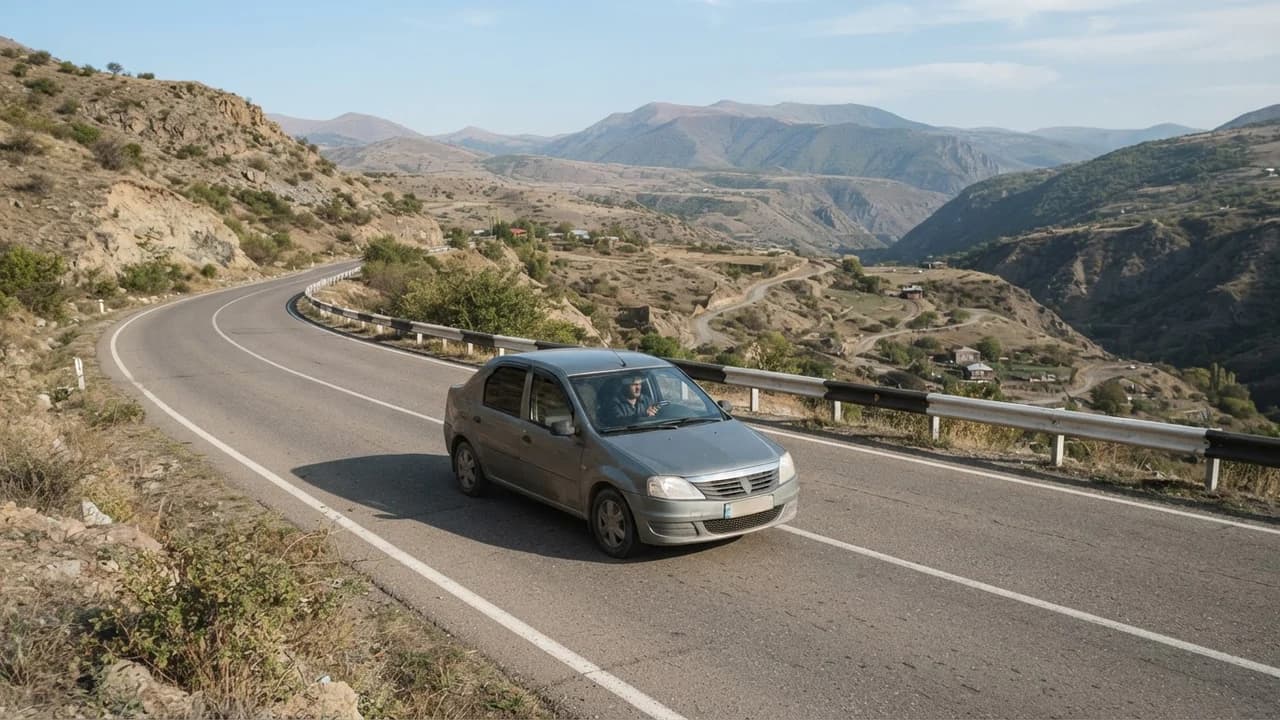
In Armenia this isn't an abstract risk. The Selim Pass, the descents on the Sevan–Dilijan road and the winding drop toward Tatev demand constant speed management for kilometers at a time. For general road rules, check the official source of the Police of Armenia, roadpolice.am (verified as of 2025).
Signs of Brake Overheating
- Fading brakes: you press the pedal just as hard, but the car slows less effectively.
- Burning smell: sometimes accompanied by light smoke near the wheels.
- Lengthening stopping distance: the car doesn't stop where it normally would.
If you notice any of these signs, don't keep descending on the brakes alone. Pull over somewhere safe where you won't obstruct traffic, and let the brakes cool for 10–15 minutes. Never pour water onto hot discs — sudden cooling damages them.
How to Choose the Gear: Automatic and Manual
The logic is the same for both gearbox types: pick the gear that holds a steady, safe speed without touching the brake. The difference is only in how you do it.
Descending in an Automatic Car
To drive down a mountain road in an automatic, switch off D's "self-managing" behavior and take manual control — either the M/S tiptronic-style mode or the L position. In manual mode select a low gear (usually 2nd or 3rd), and the automatic will hold it for the whole descent.
Every car labels its modes differently, so open the relevant section of the owner's manual before you set off. If there's no manual in the car, ask the owner about it before departure — not at the top of the pass.
Descending in a Manual Car
In a manual car you pick the gear yourself: shift into 2nd or 3rd before the descent begins, depending on the steepness and load, and keep the clutch up throughout the descent. Feel which gear holds your speed without braking, and stay in it.
A gear that's too low makes the engine rev unnecessarily; one that's too high forces you to brake. The right gear is the one where neither extreme happens.
The Idea of Steady Speed
Steady speed means driving the whole descent in the gear you chose at the top, at the same speed, with no accelerate-and-brake cycle. Every braking heats the discs; every acceleration forces you to brake again.
The practical rule is simple. At the start of the descent, pick your gear, bring your speed down to a safe level, then let the engine do the work. Use the brake only in short, firm presses when you genuinely need to slow — before a bend, not along the entire road.
Step-by-Step Pre-Descent Checklist
- Open the manual. Find out how manual mode works in the automatic gearbox, or which gears are recommended for descents.
- Decide your speed. Choose a speed at which you can stop the car within what you can see ahead.
- Shift down at the start of the descent. Not halfway, once you've already picked up speed.
- Test the brakes early. One short press to confirm they respond.
- Hold a steady speed. Brake only in short presses, before bends.
- Watch for warning signs. Burning smell or fading brakes: stop and cool down.
Common Mistakes and Main Risks
The most common mistake is braking constantly. Riding the pedal lightly all the way down gives you the feeling of being in control, but in reality the brakes are heating up the entire way.
The second mistake is a gear that's too high. Descending in 4th or 5th, the engine barely brakes at all, and the whole load falls on the brakes. The third is overconfidence. An "I've always done it this way" approach doesn't account for the condition of the brakes in a rented, unfamiliar car.
Weather belongs on the risk list too. After rain, grip drops on sloped sections, and the same gear may not be enough. In those conditions choose a lower gear and a lower speed.
What to Confirm in Advance When Renting a Car
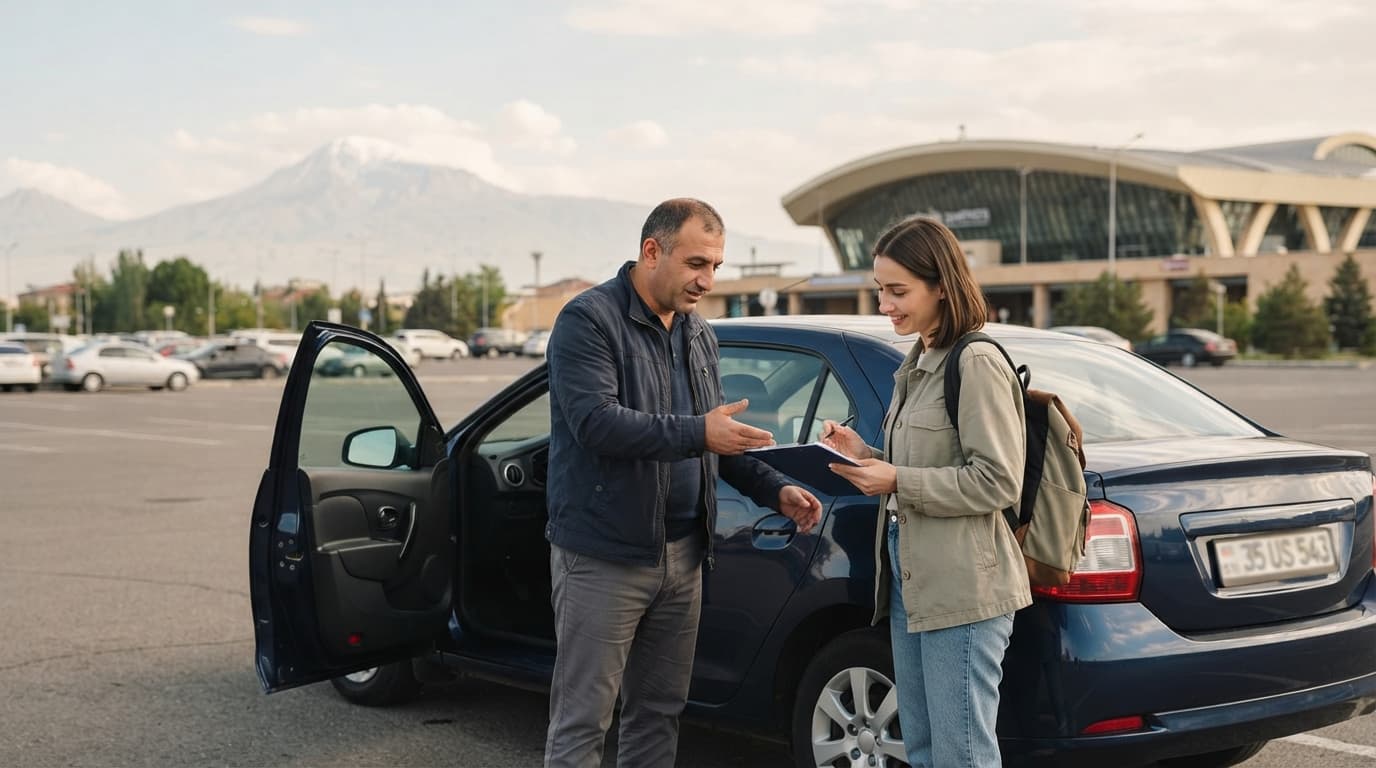
Before heading toward Sevan or Tatev in a rental, three things need confirming: the gearbox type, whether the owner's manual is present, and the owner's terms. The most convenient moment to do this is at handover.
Handover Checklist
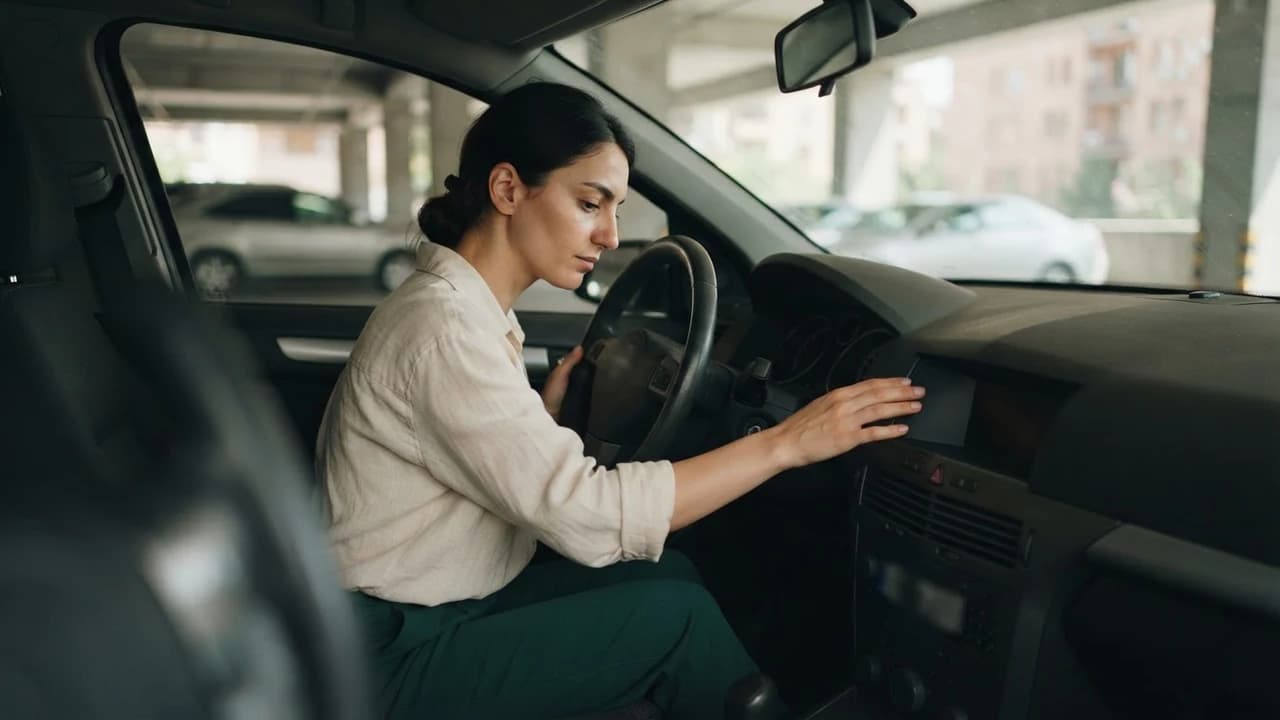
- Gearbox type and how manual mode engages — test it in the parking lot.
- Whether the owner's manual is in the car.
- What the insurance policy actually looks like — without assuming coverage.
- Deposit terms, if the owner has stated them on the listing.
JanCar is a connecting platform. The car, gearbox type, price, deposit, insurance and handover terms are set by the owner and fixed in the listing and contract. JanCar does not receive or hold deposits: if an owner requires one, it's arranged directly between renter and owner.
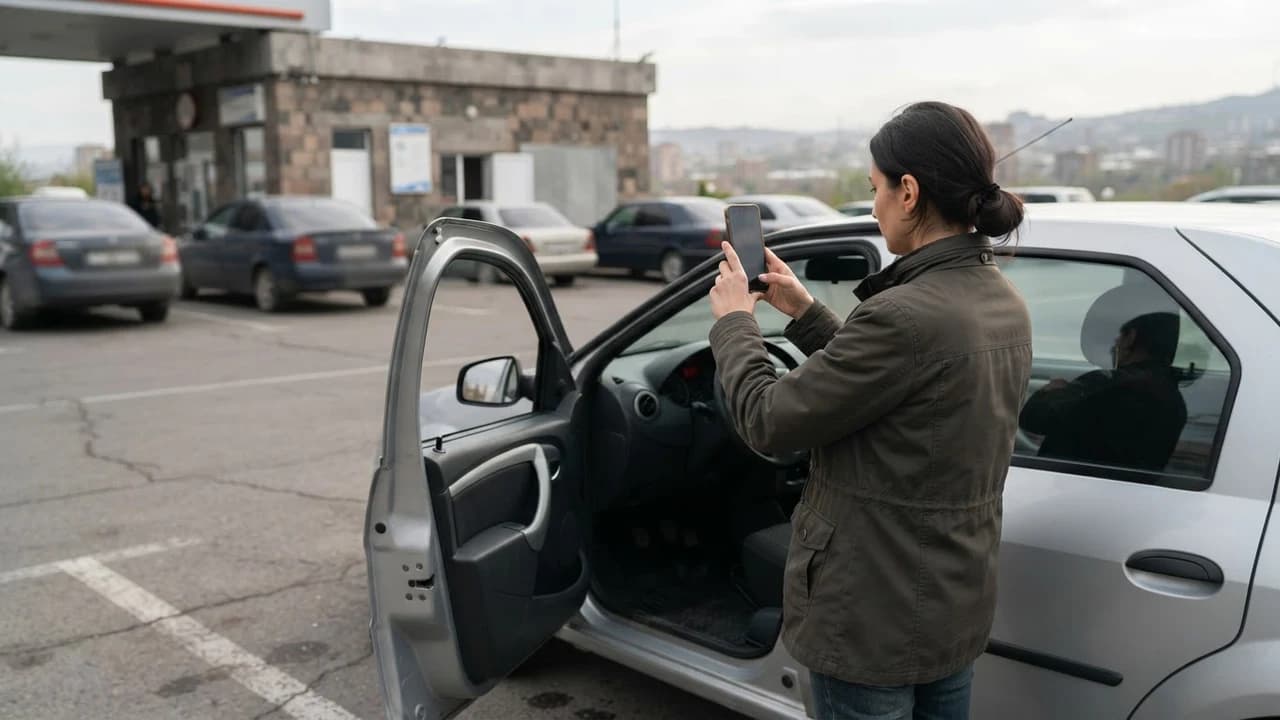
We recommend photographing the car at pickup and return, recording the fuel level and drawing up a handover act signed by both sides. That reduces dispute risk and has nothing to do with mountain driving — but carry the same attention into the checks you make before setting off.
Frequently Asked Questions
Can I rely on engine braking for the whole descent without using the brake?
Yes, if the gear is chosen correctly. In the right gear the car holds a steady speed, and the brake stays free for short presses before bends.
What should I do if the brakes overheat midway down?
Pull over somewhere safe, switch on your hazard lights and let the brakes cool for 10–15 minutes. Then continue in a lower gear at a lower speed.
Does manual mode harm an automatic car?
No, not if you use it according to the manual's instructions. Manual mode exists precisely for situations like this — but check the recommended gear range in the owner's manual.
Which gear should I choose for the Selim Pass descent?
There's no single number. The gear depends on the car, the load and the steepness. General rule: pick the gear in which the car holds its speed without braking — usually 2nd or 3rd.
Does JanCar check whether a rental car's brakes are in good condition?
No. JanCar is a platform and neither owns nor technically inspects vehicles. Questions about the car's condition, insurance and terms are resolved between renter and owner based on the listing and contract.
Official Sources
The following sources were used to verify facts in this guide.
Related Guides
Continue the topic with these related guides.
- Automatic vs Manual Rental Cars in Armenia
- Driving Through Snow-Covered Mountain Passes: When to Change Your Route
- Driving in Fog in the Mountains: Rules and Checklist
- Renting a Car in Jermuk: What You Need to Know
- Summer Driving in Armenia: A Checklist
- Your Rental Car Broke Down: What to Do First
This is general information. JanCar does not receive or hold a vehicle deposit. Check price, deposit, insurance and every other term on the listing and directly with the owner.
More JanCar guides
Continue with these closely related practical guides.
- Driving Sharp Mountain Hairpins: A Practical Guide
- Driver Fatigue on Mountain Roads: A Practical Guide
- Night Driving on Armenia's Mountain Roads
- Replying to a Car Rental Inquiry: A Practical Guide
- Kapan to Meghri by Car: Mountain Route Checklist
- Overtaking on Narrow Mountain Roads: When to Say No
- Car Rental Depreciation Reserve: A Practical Guide
- Armenia Addresses in Navigation: A Practical Guide
Frequently asked questions
Can I rely on engine braking for the whole descent without using the brake?
Yes, if the gear is chosen correctly. In the right gear the car holds a steady speed, and the brake stays free for short presses before bends.
What should I do if the brakes overheat midway down?
Pull over somewhere safe, switch on your hazard lights and let the brakes cool for 10–15 minutes. Then continue in a lower gear at a lower speed.
Does manual mode harm an automatic car?
No, not if you use it according to the manual's instructions. Manual mode exists precisely for situations like this — but check the recommended gear range in the owner's manual.
Which gear should I choose for the Selim Pass descent?
There's no single number. The gear depends on the car, the load and the steepness. General rule: pick the gear in which the car holds its speed without braking — usually 2nd or 3rd.
Does JanCar check whether a rental car's brakes are in good condition?
No. JanCar is a platform and neither owns nor technically inspects vehicles. Questions about the car's condition, insurance and terms are resolved between renter and owner based on the listing and contract.