
Car Technical Prep Before Rental: Full Guide
Preparing your car technically before renting it out means checking the documents, safety systems, and service intervals by following a practical checklist.
8 min read
In this article
Preparing your car technically before renting it out means checking the documents, safety systems, and service intervals by following a practical checklist.
Key Takeaways
Before offering your car for rent, check the documents, safety systems, and service intervals by following a practical checklist.
- Documents — registration certificate, technical inspection, insurance.
- Safety — brakes, tires, lights, seat belts.
- Maintenance — oil, coolant, battery, service intervals.
- Variable data — verify legal requirements in official sources on the day of publication.
Why Technical Preparation Matters for a Rental Owner
Technical preparation protects you from financial losses and disputes that can arise during a rental.
When a car breaks down on the road due to an accident or malfunction, the renter may blame you for negligence. That leads to lost trust, negative reviews, and sometimes legal costs.
JanCar, as a platform, does not inspect the car's technical condition. The platform connects you with a renter; you, as the owner, are responsible for the car's condition.
Document Check Before Publishing
Before offering your car for rent, check three key documents: the registration certificate, technical inspection, and insurance policy.
Vehicle Registration Certificate and Technical Inspection
The registration certificate must be in your name and valid. Check that the details on the certificate match the car's actual condition.
The technical inspection must be valid and not expire during the entire rental period. In Armenia, inspection requirements can change, so check the current rules on the official traffic police website: roadpolice.am.
Insurance Policy and Coverage
Check that the insurance policy covers use of the car by a renter. Not all policies cover rentals.
Ask your insurance company for written confirmation that the policy is valid for rental use. This confirmation can protect you in case of disputes.
Remember that JanCar does not provide insurance and does not guarantee coverage. Insurance terms are agreed directly between you and the renter.
Owner Identification Documents
Prepare a copy of your passport or ID card for the meeting with the renter. This helps confirm your identity and builds trust at the start of the transaction.
Safety Systems Check
Safety systems must work flawlessly, because they directly affect the renter's life and health.
Brakes and Suspension
Check the brake response by pressing the pedal and assessing the stopping distance. Noises, squeaks, or vibrations can indicate worn brake pads.
To check the suspension, pay attention to how the car behaves on uneven roads. Excessive bouncing or noises can point to suspension problems.
Tire Condition and Pressure
Check the tread depth and sidewalls for cracks or bulges. Tread depth should be at least 1.6 mm for safe driving.
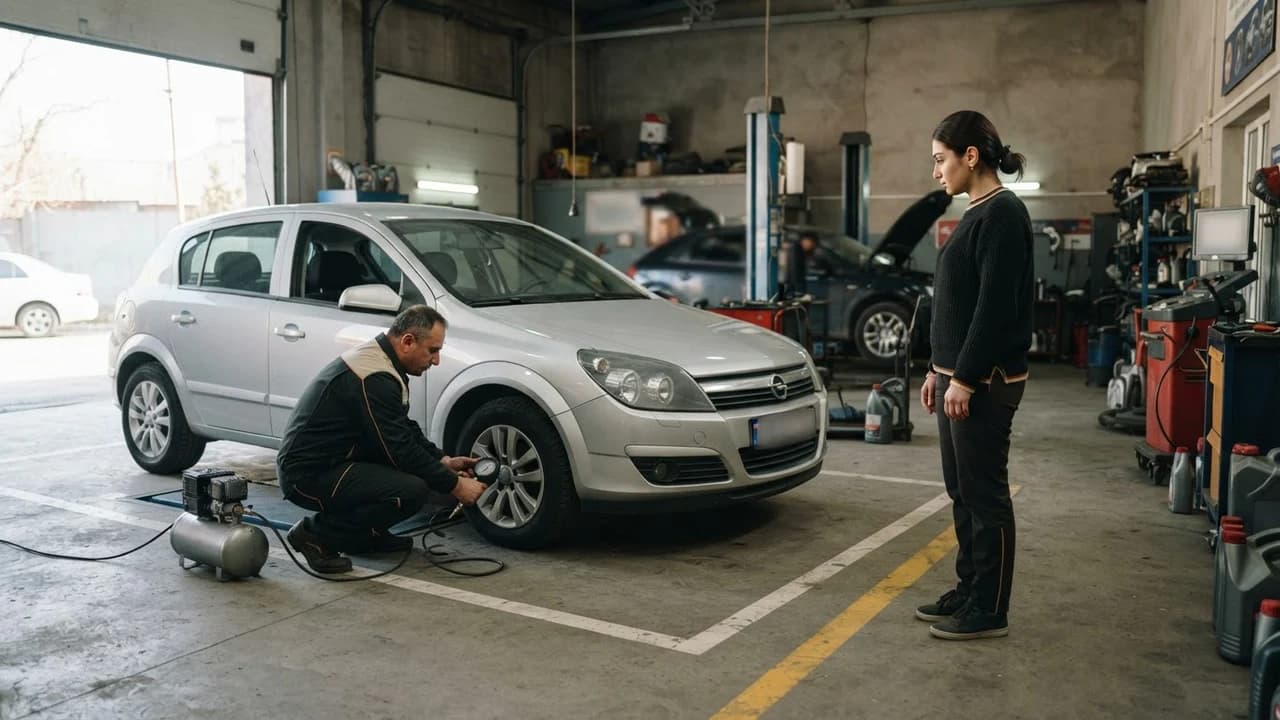
Measure the pressure in all four tires, including the spare. Pressure should match the manufacturer's recommendation, which is listed in the car's manual or on the door frame.
Lighting System
Check all lights: low and high beam, side lights, brake lights, reverse lights, and turn signals.
A faulty light can lead to a fine and an accident risk. If any light doesn't work, replace the bulb before publishing.
Seat Belts and Airbags
Check all seat belts to make sure they extend and latch properly. Worn or damaged belts should be replaced.
The airbag indicator on the dashboard should turn off when the engine starts. If the indicator stays on, it signals a fault in the airbag system.
Key Mechanical Checks
Mechanical checks cover engine oil, coolant, battery, and steering to ensure the car runs reliably.
Engine Oil and Coolant
Check the engine oil level using the dipstick. The oil should be clean and between the markings. If the oil is dark or cloudy, replace it.
Check the coolant level in the reservoir and make sure there are no leaks. A coolant leak can cause the engine to overheat.
Battery and Electrical Equipment
Check the battery terminals for corrosion or loose connections. Clean off corrosion and tighten connections if needed.
Check the battery charge by starting the engine and verifying that all electrical equipment works properly.
Steering System and Suspension
Check the steering by turning the wheel in both directions and making sure it responds smoothly and without noises.
The suspension check involves assessing the shock absorbers by rocking the car and watching how it returns to balance.
Checking Service Intervals
The service interval must be valid and not expire during the entire rental period.
Check your car's service book or service history to find the date of the last service. If the last service was more than 10,000 km or 6 months ago, it's recommended to do a new service before publishing.
Record the service date and the work done to show the renter. Transparency builds trust and reduces the risk of disputes.
Checking Variable Data in Official Sources
Variable data — such as traffic rules, weather conditions, and entry requirements — should be checked in official sources on the day of publication.
In Armenia, information about traffic rules and safety requirements is available on the official website of the Patrol Service: roadpolice.am.
For accurate texts of legal acts and laws, use the government portals arlis.am and e-gov.am. Data can change, so always note the check date in your records.
Common Mistakes and Risks to Avoid
The most common mistake is limiting car preparation to an exterior wash while ignoring technical checks.
- Unchecked oil — can lead to engine damage during the rental.
- Old tires — increase the accident risk, especially in rainy weather.
- Faulty lights — fines and safety issues on the road.
- Ignoring expiry dates — inspection or insurance expiring during the rental.
- Unclear deposit terms — disputes with the renter over money return.
To avoid these, follow the checklist and keep copies of all documents, including the handover act signed by both parties.
How JanCar Supports the Owner
JanCar is a connecting platform that lets you list your car and find renters. The platform does not own the car and does not guarantee its technical condition.
The car's price, deposit, insurance, and handover terms are confirmed on the listing and directly with the owner. JanCar does not receive or hold a deposit. The deposit amount and return terms are agreed between you and the renter.
The platform provides tools for creating a listing, communicating, and managing the rental process. But preparing the car and ensuring valid documents remains your responsibility.
Practical Checklist
Use this checklist before offering your car for rent to make sure every point is covered.
Category
Check Point
Status
Documents
Registration certificate is valid
☐
Documents
Technical inspection is valid
☐
Documents
Insurance covers rental use
☐
Safety
Brakes work properly
☐
Safety
Tires condition and pressure
☐
Safety
All lights work
☐
Safety
Seat belts and airbags
☐
Mechanics
Engine oil level and condition
☐
Mechanics
Coolant
☐
Mechanics
Battery and electrical equipment
☐
Mechanics
Steering system
☐
Maintenance
Last service is valid
☐
Frequently Asked Questions
How often should I check the car before renting it out?
Every time you publish your car, do a full check. If the car is available for a long period, check at least once a month.
What should I do if the car has a technical problem during the rental?
Agree with the renter in advance on how to handle breakdowns, including the distribution of tow truck and repair costs.
Does JanCar inspect the car's technical condition?
No, JanCar is a connecting platform and does not perform technical inspections. The owner is responsible for the car's condition.
How should I handle the deposit in a rental?
JanCar does not receive or hold a deposit. The deposit amount and return terms are agreed between you and the renter in the handover act.
Where do I check for changes to traffic rules?
Use the official Patrol Service website roadpolice.am, as well as the government portals arlis.am and e-gov.am.
Official Sources
These sources were confirmed in the brief for fact-checking.
Related Reading
Continue the topic with these verified related guides.
- Checking Personal Items in the Car Before Rental
- Car Cleanliness When Returning a Rental
- Compact Car Rental in Yerevan: When It's the Right Choice
- Final Rental Settlement Check: 7 Points
- Time Buffer Between Car Rentals
This is general information. JanCar does not receive or hold a vehicle deposit. Check price, deposit, insurance and every other term on the listing and directly with the owner.
More JanCar guides
Continue with these closely related practical guides.
- Seasonal Car Rental Prep: A Guide
- Post-Return Car Inspection: Owner's Checklist
- Owner's Roadside Assistance Plan: A Practical Guide
- Safe Car Key Handover for Owners
- Late Return Policy for Car Owners
- Manufacturer Recall Check: 2025 Guide
- Cancellation Policy for Car Owners: A Guide
- Car Listing Performance Metrics: A Guide
Frequently asked questions
How often should I check the car before renting it out?
Every time you publish your car, do a full check. If the car is available for a long period, check at least once a month.
What should I do if the car has a technical problem during the rental?
Agree with the renter in advance on how to handle breakdowns, including the distribution of tow truck and repair costs.
Does JanCar inspect the car's technical condition?
No, JanCar is a connecting platform and does not perform technical inspections. The owner is responsible for the car's condition.
How should I handle the deposit in a rental?
JanCar does not receive or hold a deposit. The deposit amount and return terms are agreed between you and the renter in the handover act.
Where do I check for changes to traffic rules?
Use the official Patrol Service website roadpolice.am, as well as the government portals arlis.am and e-gov.am.