
Pre-Rental Car Inspection Checklist
When renting a car, inspect and photograph the exterior, interior, glass, tires, dashboard, fuel level and accessories — with timestamped photos.
6 min read
In this article
When renting a car, inspect and photograph the exterior, interior, glass, tires, dashboard, fuel level and accessories — all documented with timestamped photos.
Before driving off, inspect and photograph the car's exterior, cabin, glass, tires, dashboard, fuel level and accessories — everything captured in timestamped photos that both sides have agreed on. This simple habit protects both parties at return time, when it becomes clear which damage existed before the rental and which appeared after.
Why the inspection has to happen at handover
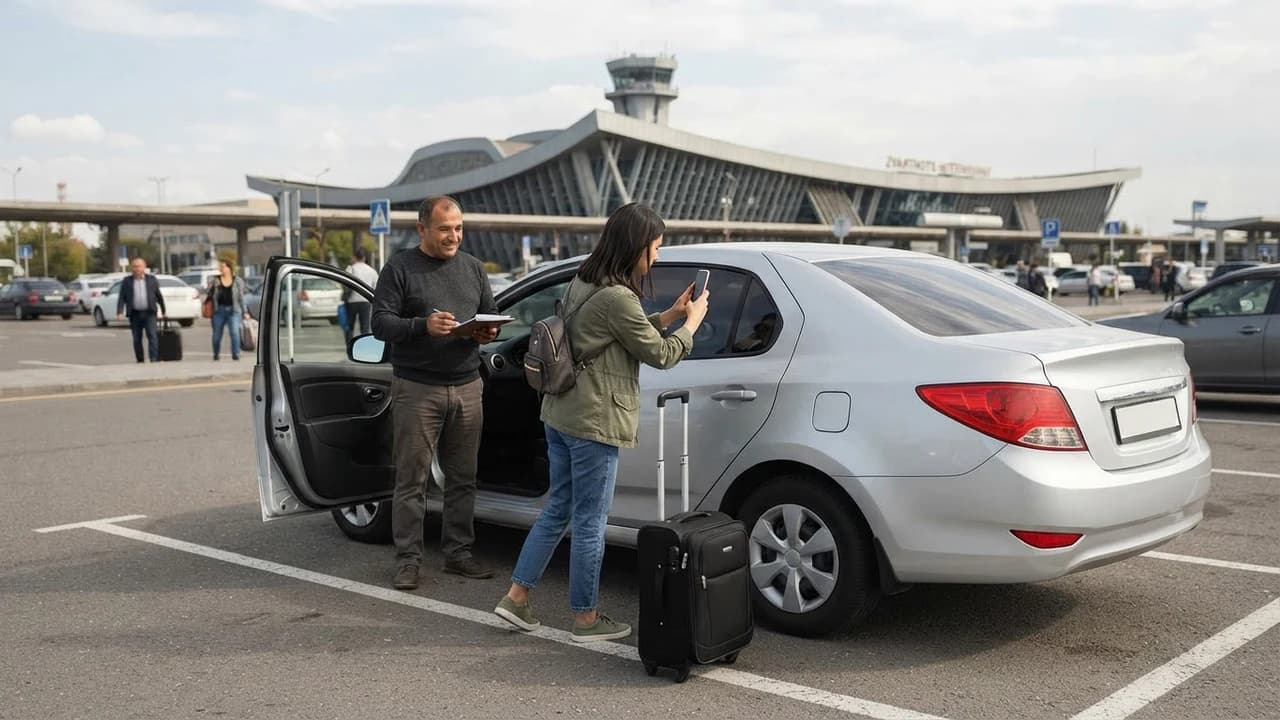
Do the inspection right at the moment of handover, because after that there's no proof left of what condition the car arrived in. If a scratch or crack isn't recorded, it can be disputed at return — and it can end up touching the security deposit.
All of this starts even earlier, at booking. Before reserving, read the listing from top to bottom: price, daily mileage limit, fuel policy, whether a deposit applies, and the pickup/return location. The inspection doesn't replace that reading — it locks in the car's actual condition as the starting point.
JanCar's role, and separating the owner's terms
JanCar is a connecting platform. Cars belong to independent owners ("hosts"), and the price, deposit, insurance and handover terms are set in the listing and confirmed directly with the owner. JanCar does not receive, block or hold a deposit; if a listing requires one, it is arranged directly between renter and host.
The practical takeaway: documentation is your own protection, organized directly with the owner. Since the platform doesn't hold your money, the evidence — photos, a diagram, a signed act — needs to be in both sides' hands.
Step-by-step checklist: the inspection order
Work through the checklist in this order: exterior first, then cabin, glass, tires, dashboard, fuel and accessories. Photograph each zone before moving to the next one.
Exterior inspection and photos
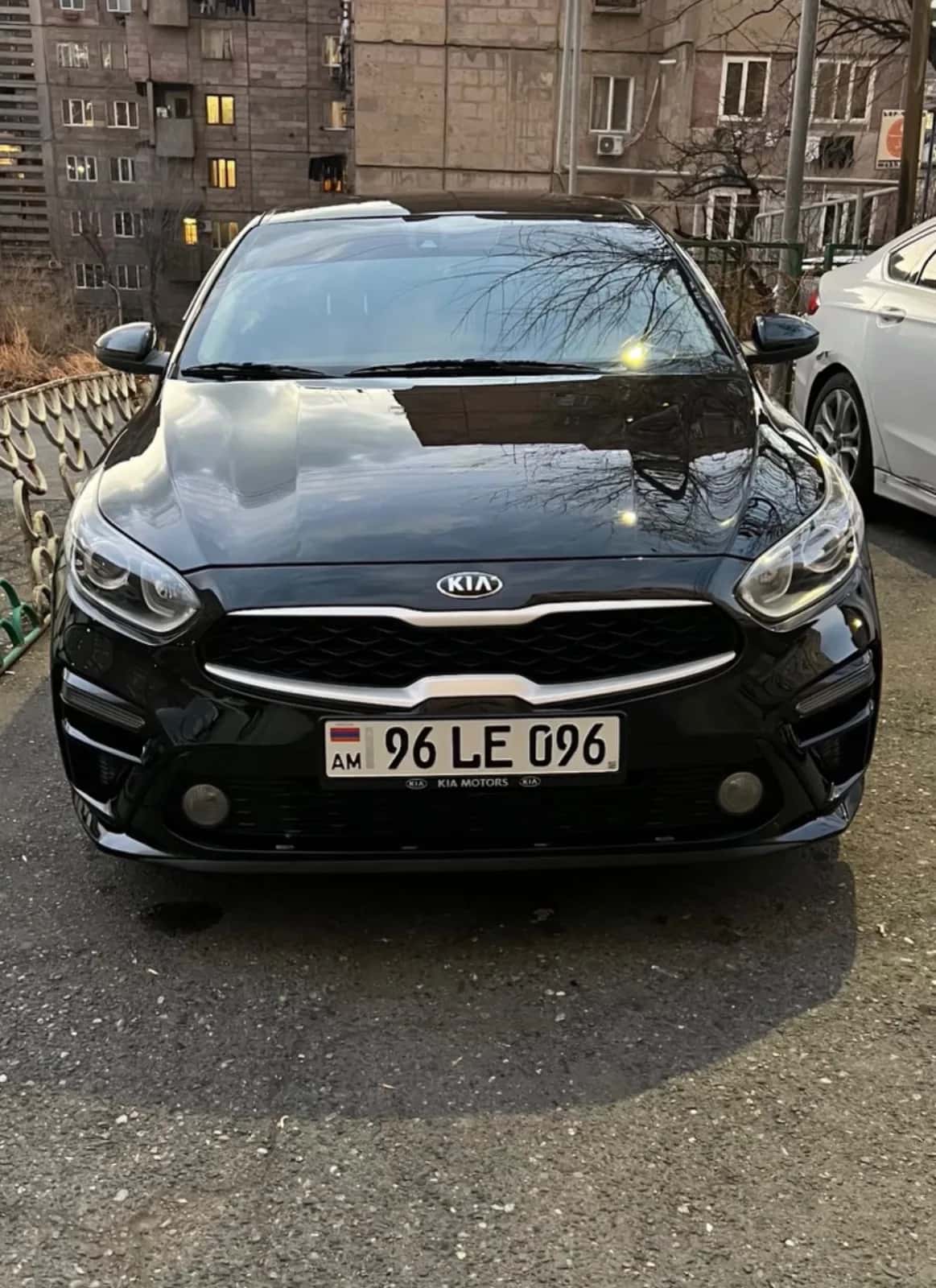
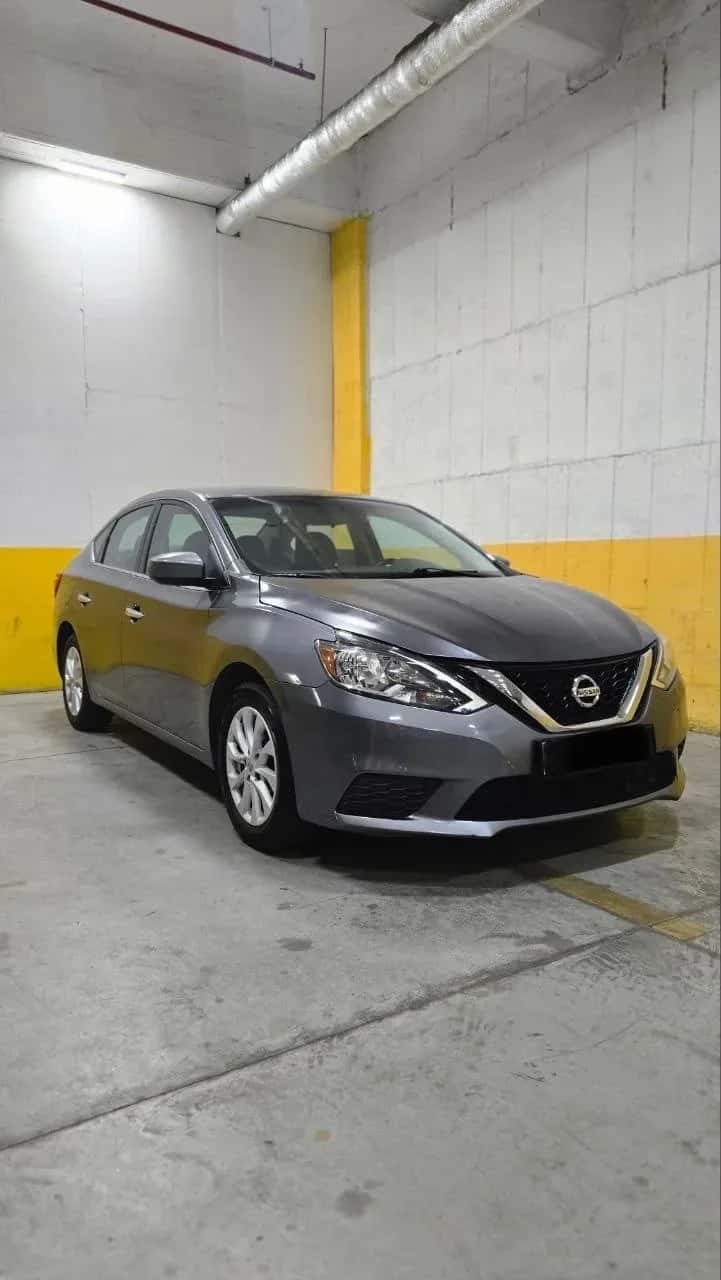
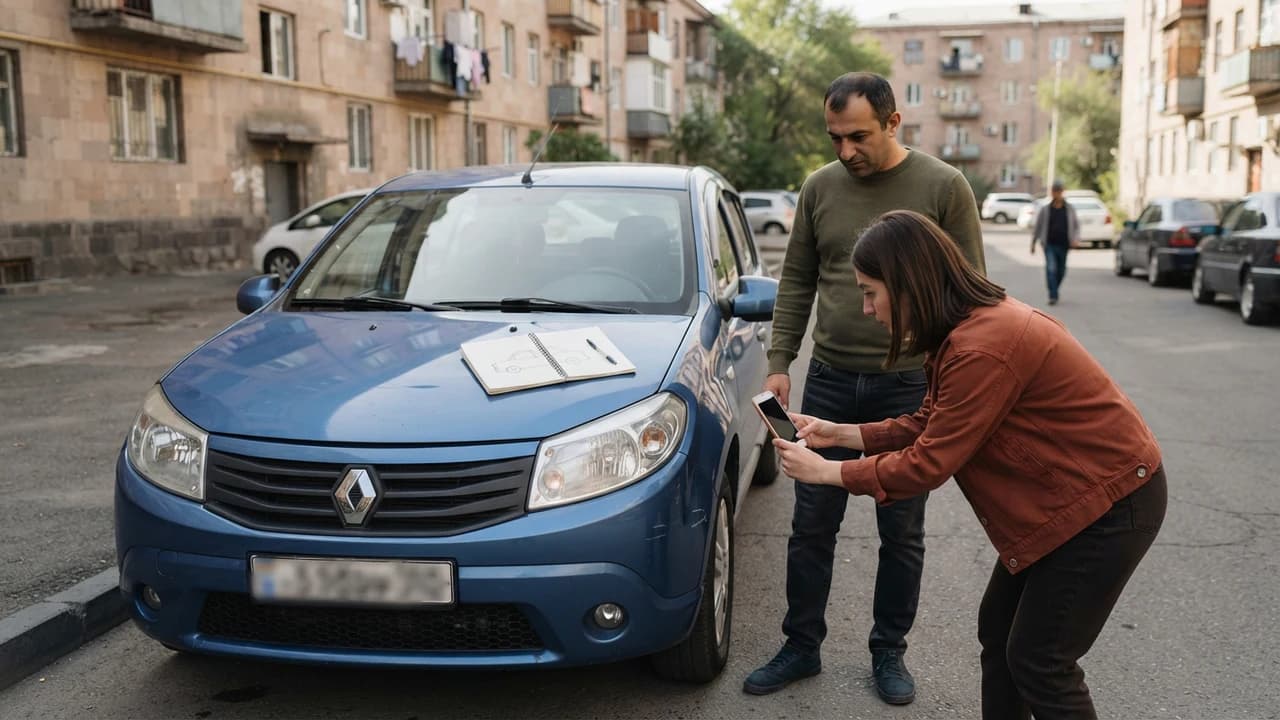
Walk around the car and shoot it from four corners — diagonal positions — then each side separately: right, left, front and rear. Get up close to the bumpers, door edges, mirrors and wheel arches, where scratches usually collect.
Inspecting in daylight and open space is far more reliable than in a shadowed parking lot. If the handover happens in the evening, use your phone's flashlight and get close to the surface.
Cabin and interior
Open every door and photograph the front and rear seats, floor mats, headliner and trunk. Note any existing stains, tears or burns — these go into the handover act.
Glass, mirrors and lights
Check the windshield for cracks and stone chips, then the side and rear windows. Switch on every light — low beam, high beam, brake, reverse, turn signals and fog — and confirm they all work.
Tires and wheels
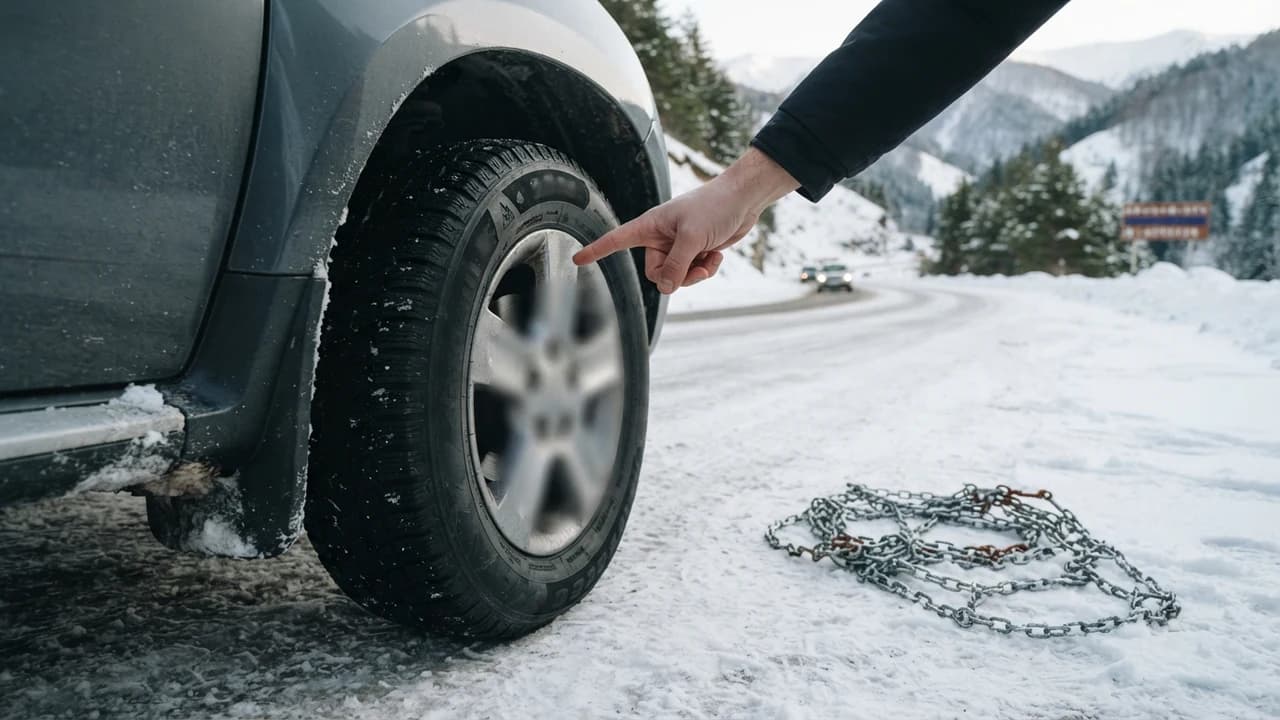
Look at the tire condition: heavy wear, sidewall cracks, bulges. Ask where the spare wheel or repair kit is kept, and whether there's a compressor.
Dashboard and gauges
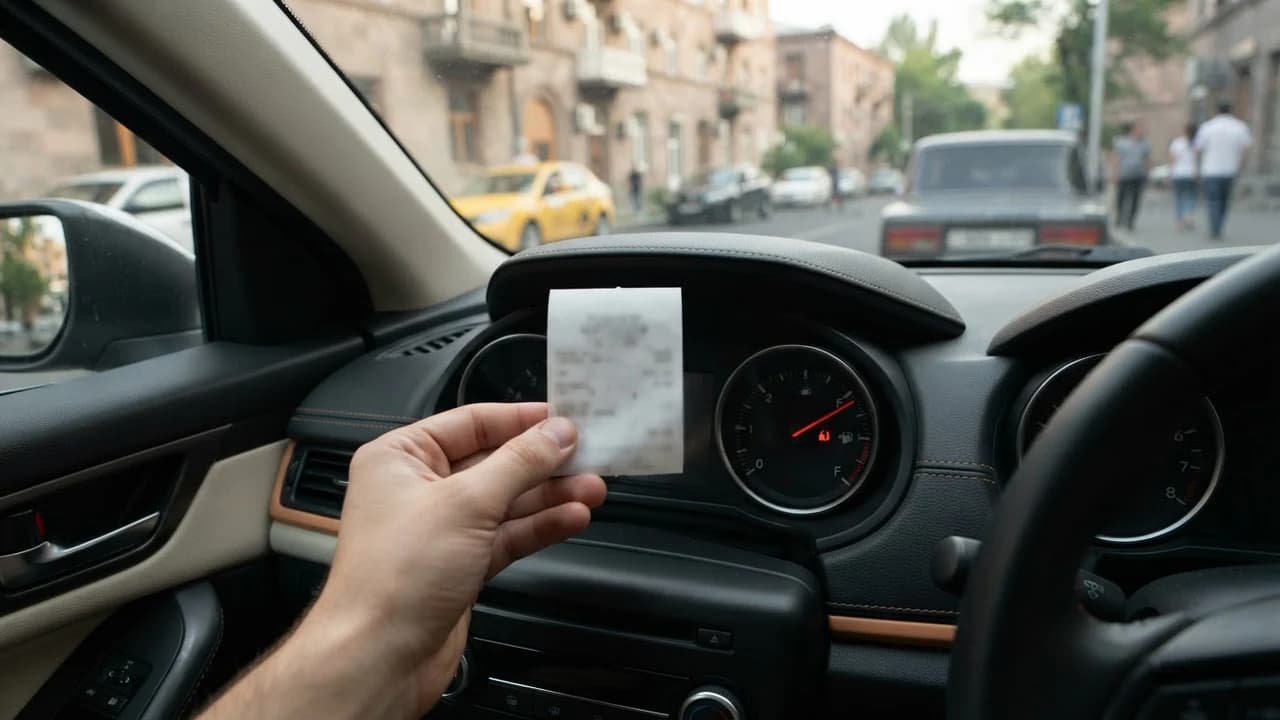
Sit behind the wheel, switch on the ignition and photograph the dashboard, highlighting the odometer reading. Check that no warning light stays on after starting the engine.
Fuel level and accessories
Record the fuel level with a photo of the gauge, and agree on what level you'll return the car with. Check the accessories: spare wheel, jack, warning triangle, first-aid kit and the car's documents.
An ordered list of timestamped photos
Here's the photo list, zone by zone, in chronological order — your phone timestamps them automatically:
- Exterior: four corners + each side separately (8 photos), then close-ups of existing damage.
- Cabin: front and rear seats, floor mats, headliner, trunk.
- Glass and mirrors: windshield, side windows, rear window, both side mirrors.
- Tires: four wheels individually, with the tread clearly visible.
- Dashboard: ignition on, showing the odometer and no warning lights.
- Fuel: a gauge photo at both handover and return.
- Accessories: spare wheel, jack, triangle, documents.
Keep the photos in a separate folder and send them to the owner on handover day, before you drive. Shoot the same list again at return — the side-by-side comparison settles almost every dispute.
What to confirm with the owner
Ask the owner these questions before signing anything:
- What existing damage is there, and is there a list or diagram of it?
- What insurance does the car carry — MTPL (compulsory), CASCO — and what does the policy actually cover? Ask to see the current policy; don't assume coverage.
- How big is the deposit, how is it transferred, and when is it returned? Remember: this is arranged directly with the owner.
- What's the fuel policy, and at what level should the car be returned?
- Where are the spare wheel, tools and the car's documents?
Handover act, damage diagram and documents
The handover act and damage diagram are optional but very valuable tools; they're drawn up by mutual agreement between renter and owner, directly between the two of you. On the diagram you mark existing scratches and cracks; in the act, the mileage, fuel level, accessories and handover time.
Both sides sign the act — at handover and again at return. A digital version works too, as long as each side keeps a copy. For current requirements on road rules and mandatory in-car documents, check the official police website, roadpolice.am, since they can change.
Frequently asked questions
Can I book before inspecting, or do I need to see the car first?
Booking happens based on the listing; the inspection happens at handover, with the owner present. Before booking, read the listing carefully — price, mileage, deposit, insurance, pickup location — and clear up anything unclear with the owner in chat.
What risks remain if I photograph everything?
Photos protect you from disputes over damage, but they don't replace insurance or the agreement itself. In case of an incident on the road, the deciding factor is the valid insurance policy — so see it and understand it before you drive.
Does JanCar hold the deposit for me?
No. JanCar does not receive, block or hold a deposit. If a listing includes one, its size and transfer are arranged directly between renter and host — so fix those terms in the act or in a written agreement.
Related guides
Continue with these vetted related guides.
This is general information. JanCar does not receive or hold a vehicle deposit. Check price, deposit, insurance and every other term on the listing and directly with the owner.
Frequently asked questions
Can I book before inspecting, or do I need to see the car first?
Booking happens based on the listing; the inspection happens at handover, with the owner present. Before booking, read the listing carefully — price, mileage, deposit, insurance, pickup location — and clear up anything unclear with the owner in chat.
What risks remain if I photograph everything?
Photos protect you from disputes over damage, but they don't replace insurance or the agreement itself. In case of an incident on the road, the deciding factor is the valid insurance policy — so see it and understand it before you drive.
Does JanCar hold the deposit for me?
No. JanCar does not receive, block or hold a deposit. If a listing includes one, its size and transfer are arranged directly between renter and host — so fix those terms in the act or in a written agreement.