
Seasonal Car Rental Prep: A Guide
Seasonal preparation for a rental car means a professional inspection ahead of summer or winter — for the renter's safety and your reputation.
7 min read
In this article
Seasonal preparation for a rental car means a professional inspection and service ahead of summer or winter, so the car stays safe and reliable for the renter. This isn't a DIY repair manual — it's an organized system of checks that protects both your car and the person driving it.
Why Seasonal Preparation Matters for a Rental Car
Seasonal preparation matters because it prevents roadside breakdowns that can endanger the renter and damage your reputation on the platform. The renter takes the car trusting its technical condition, so any neglected detail becomes your responsibility.
Armenia's sharp weather swings — scorching summers and cold mountain winters — create specific demands. In summer, overheating and AC failures top the list; in winter, battery and tire problems are the most common issues.
The Risks for Renter and Owner
For the renter, the risk is a safety issue: faulty brakes or worn tires on a mountain road can cause an accident. For you as the owner, the risk is financial: a breakdown means compensation, repairs, and a negative review that the next renters will see.
Don't forget that the renter may not know all the car's quirks. If the car "says" something is wrong, the renter might not understand and keep driving, making the problem worse.
How It Differs from Regular Maintenance
Seasonal preparation differs from regular maintenance because it focuses on weather-dependent systems rather than a general technical inspection. For example, summer service covers the cooling system, while winter service focuses on the battery and heating.
Regular maintenance runs on mileage or time intervals; seasonal prep follows the change of weather. The two don't replace each other — seasonal checks should complement regular service.
Seasonal Checklist: Step by Step
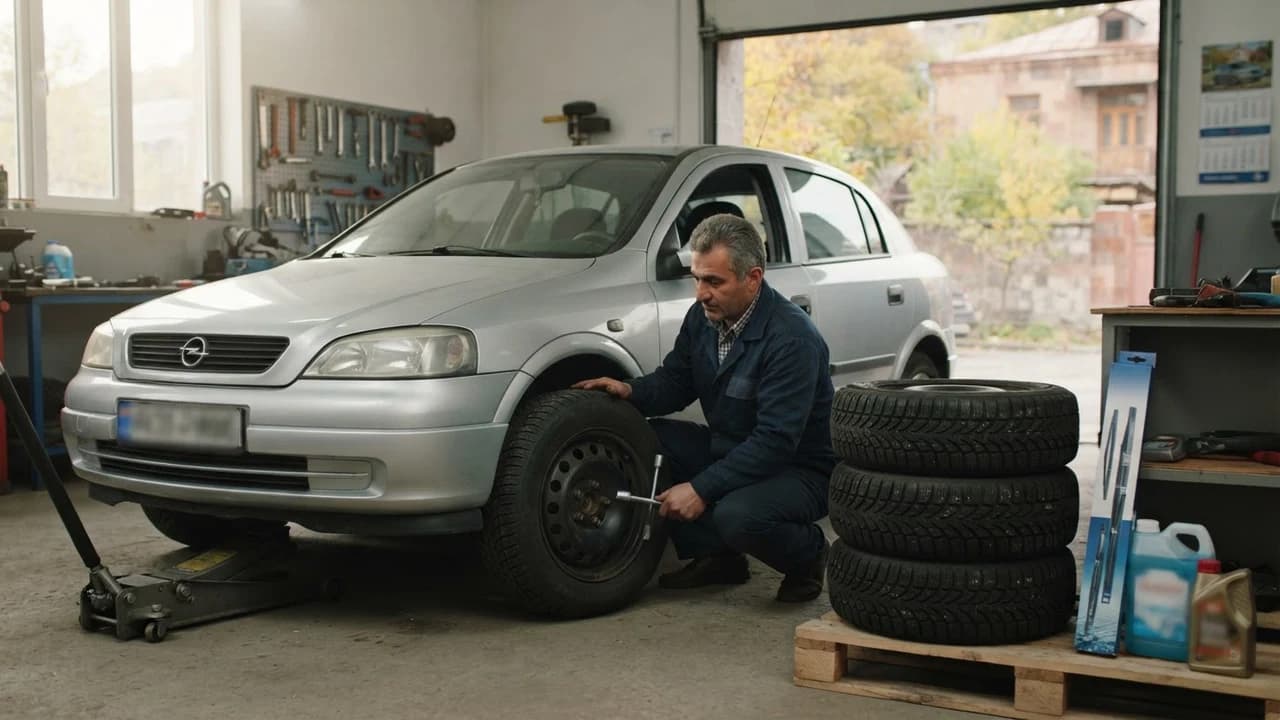
The seasonal checklist has two parts — winter and summer — and each should be done by a professional at least one week before the season starts. Here are the key points to include in your list.
Winter Prep: Tires, Antifreeze, Battery
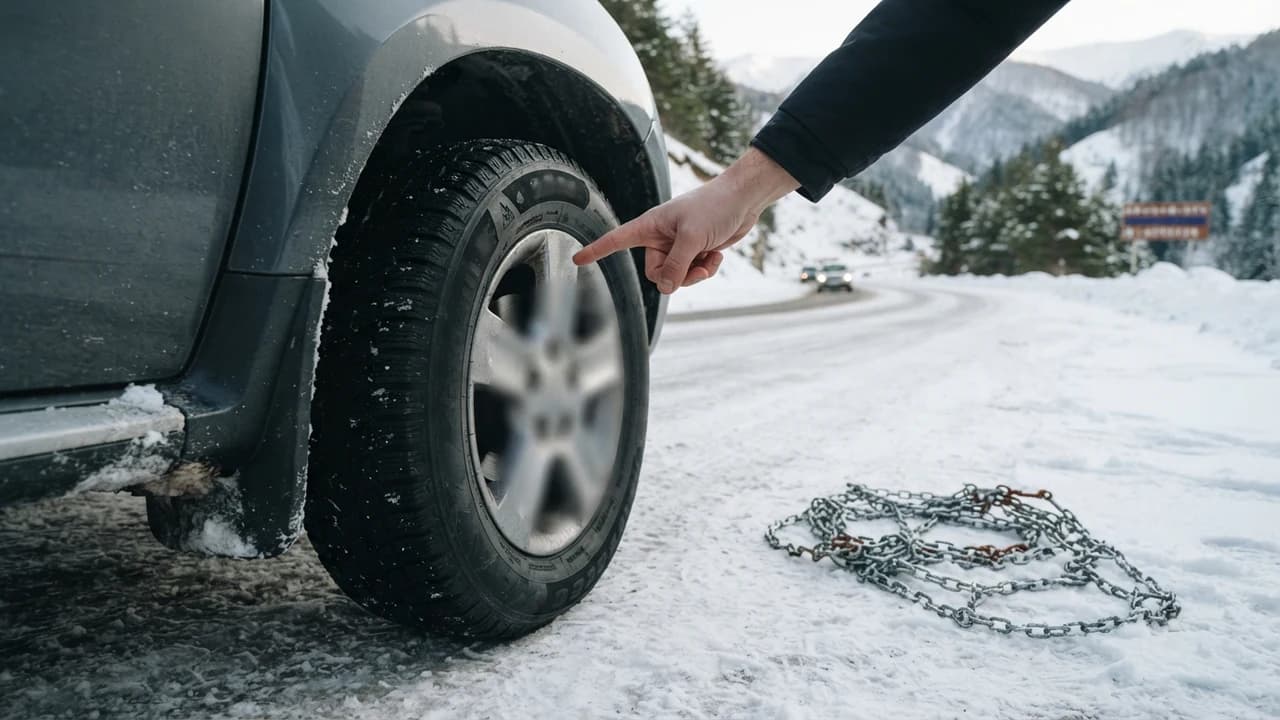
The first step in winter prep is installing winter tires, which is practically essential for Armenia's mountain roads — though the law can change, so check current requirements. You can verify current road safety rules on the official Armenian police website (roadpolice.am).
Antifreeze should withstand at least -30 degrees Celsius, and the battery should be tested under load, since cold weather can drain up to 30 percent of its capacity. The heating system, rear window defroster, and de-icing fluids also need checking.
Add an emergency kit too: jumper cables, a flashlight, warm clothing, and sand or chains for mountain passes.
Summer Prep: AC, Cooling System, Tire Pressure
Summer prep centers on the air conditioner, cooling system, and tire pressure — all of which directly affect the renter's comfort and safety. The AC should be checked by a professional, since low refrigerant or a faulty compressor is only detectable with special equipment.
The cooling system — radiator, coolant, and fan — needs inspection to avoid overheating. Tire pressure should match the manufacturer's recommendation, because heat raises pressure and incorrect pressure increases the risk of a blowout.
Also check the brakes, steering, and lights: long summer drives put extra strain on them.
Common Mistakes and Key Risks
The most common mistake is putting off seasonal prep until the last minute — or skipping it entirely — which leads to roadside breakdowns and conflicts with renters. The second common mistake is doing only a visual check without professional diagnostics.
Neglected Details That Cause Breakdowns
The smallest details can cause serious problems: worn wiper blades, missing windshield washer fluid, or a burnt-out exterior light. In winter, door seals can freeze; in summer, missing sun shades make driving uncomfortable.
Another key detail: fuel level and fuel type should be clearly stated in the listing, so the renter doesn't make a mistake.
Checking Document and Insurance Expiry Dates
Seasonal prep also includes checking documents: the technical inspection certificate, insurance policy, and driver's license must all be valid. Insurance coverage should be reviewed together with the renter, so both of you clearly understand in which cases the policy applies.
Remember that insurance terms can change, so before each season verify the current conditions through your insurance company or an official source.
JanCar's Role and the Owner's Responsibilities
JanCar is a connecting platform: the car, price, deposit, insurance, and handover are confirmed by the listing, with the owner, and by contract — while seasonal preparation remains solely the owner's responsibility. The platform doesn't own the cars and can't guarantee their technical condition.
What the Platform Handles
JanCar provides listing publication, connects renter and owner, and runs the review system. The platform does not receive or hold deposits: if a listing states a deposit, it's arranged directly between renter and owner.
The platform also doesn't provide insurance — you need to make sure yourself that your policy covers rental cases.
What Stays with the Owner
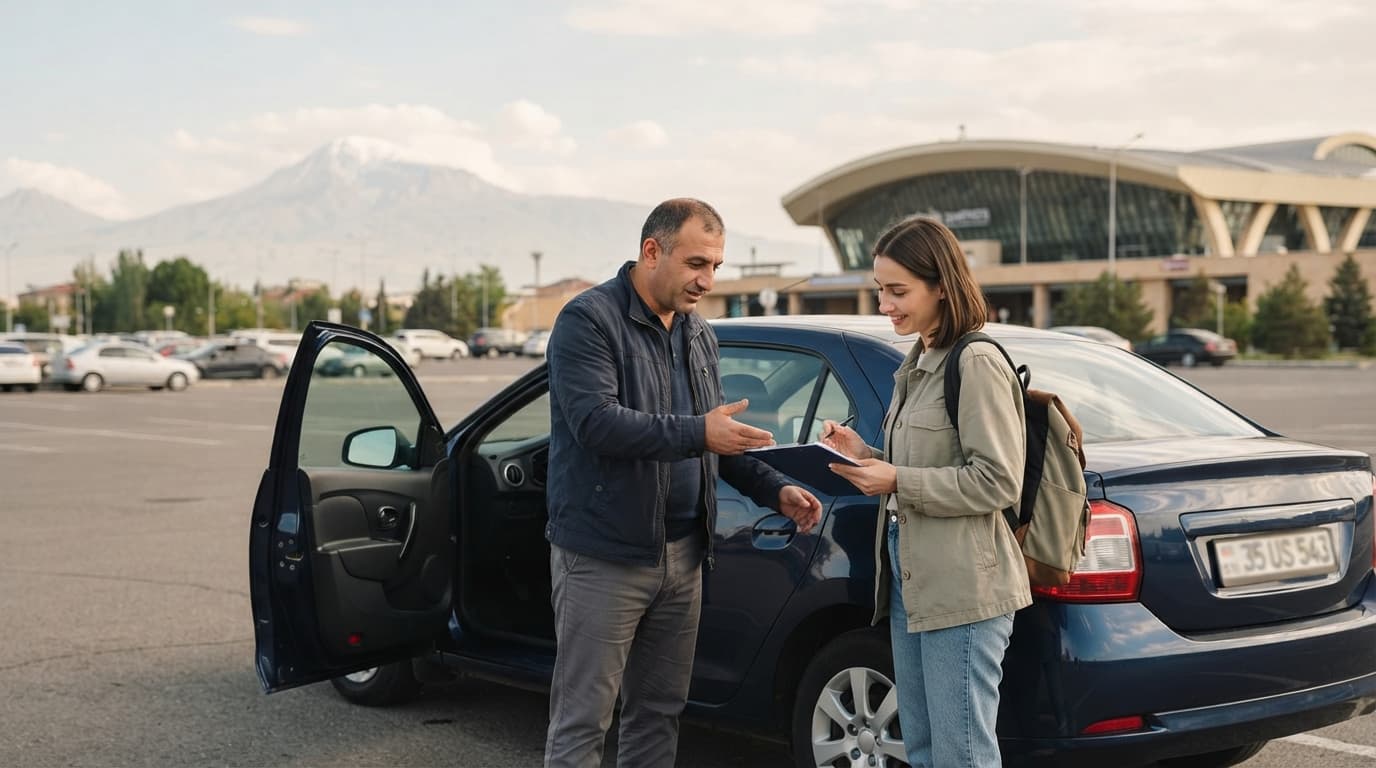
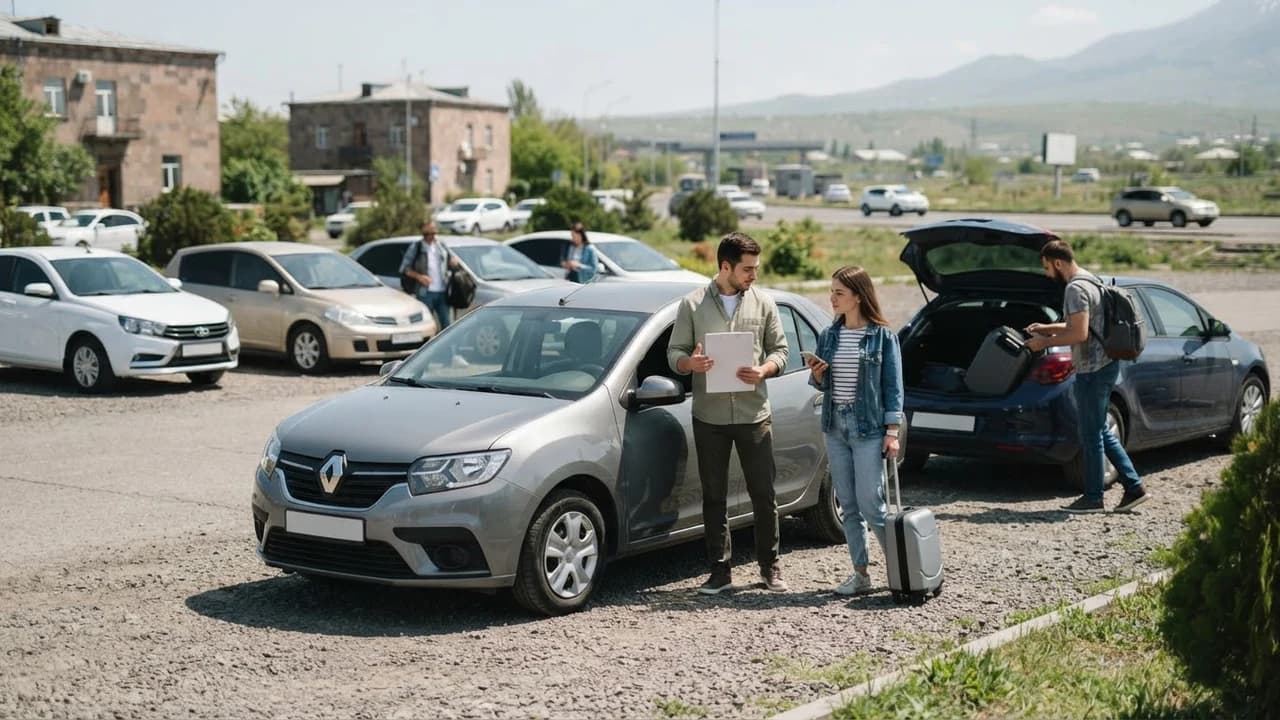
The owner is responsible for the car's technical condition, seasonal preparation, valid documents, and drawing up the handover agreement with the renter. The handover agreement should note existing damage, fuel level, and mileage.
We recommend photographing the car before and after handover, creating a damage diagram, and getting both parties to sign. This protects you from disputes.
What to Verify in Advance: Variable Data
During seasonal prep, you should check variable data in official sources at the time of publication, since weather, road, and legal conditions can change. Don't rely only on last year's experience.
Weather Forecast and Road Conditions
Winter in Armenia typically runs from November to March, but snow can fall earlier at mountain passes. Check the weather forecast and road conditions on the Armenian Ministry of Transport website (mta.gov.am) before handing over the car.
In summer, check for road repair works, since they can change routes and affect the renter's experience.
Legal and Payment Changes
Technical inspection requirements, insurance rules, and road fees can change — verify them in official sources at the time of publication. For example, fine amounts or driver's license requirements may be updated.
If your car is rented for travel to Georgia or another country, check border crossing and insurance requirements in advance, since they vary from country to country.
Frequently Asked Questions
How often should seasonal preparation be done?
Seasonal preparation should be done at least twice a year — before the winter and summer seasons. If the car is rented year-round, an additional check every two to three months is recommended.
Can I do the seasonal check myself?
You can do the visual check yourself, but the technical part — brakes, suspension, cooling system — should be trusted to a professional. DIY repairs without proper knowledge can be dangerous.
What if the renter finds a problem on the road?
The first step is to contact the renter and assess the situation. If the problem is serious, advise the renter to stop the car in a safe place and arrange a tow truck or professional help. The handover agreement and photos will help determine whether the problem existed before handover or arose during the rental.
Related Reading
Continue the topic with these verified related guides.
This is general information. JanCar does not receive or hold a vehicle deposit. Check price, deposit, insurance and every other term on the listing and directly with the owner.
More JanCar guides
Continue with these closely related practical guides.
Frequently asked questions
How often should seasonal preparation be done?
Seasonal preparation should be done at least twice a year — before the winter and summer seasons. If the car is rented year-round, an additional check every two to three months is recommended.
Can I do the seasonal check myself?
You can do the visual check yourself, but the technical part — brakes, suspension, cooling system — should be trusted to a professional. DIY repairs without proper knowledge can be dangerous.
What if the renter finds a problem on the road?
The first step is to contact the renter and assess the situation. If the problem is serious, advise the renter to stop the car in a safe place and arrange a tow truck or professional help. The handover agreement and photos will help determine whether the problem existed before handover or arose during the rental.
Where to go next
Sources
- JanCar — how it works
jancar.am · official source
- JanCar car catalogue
jancar.am · official source