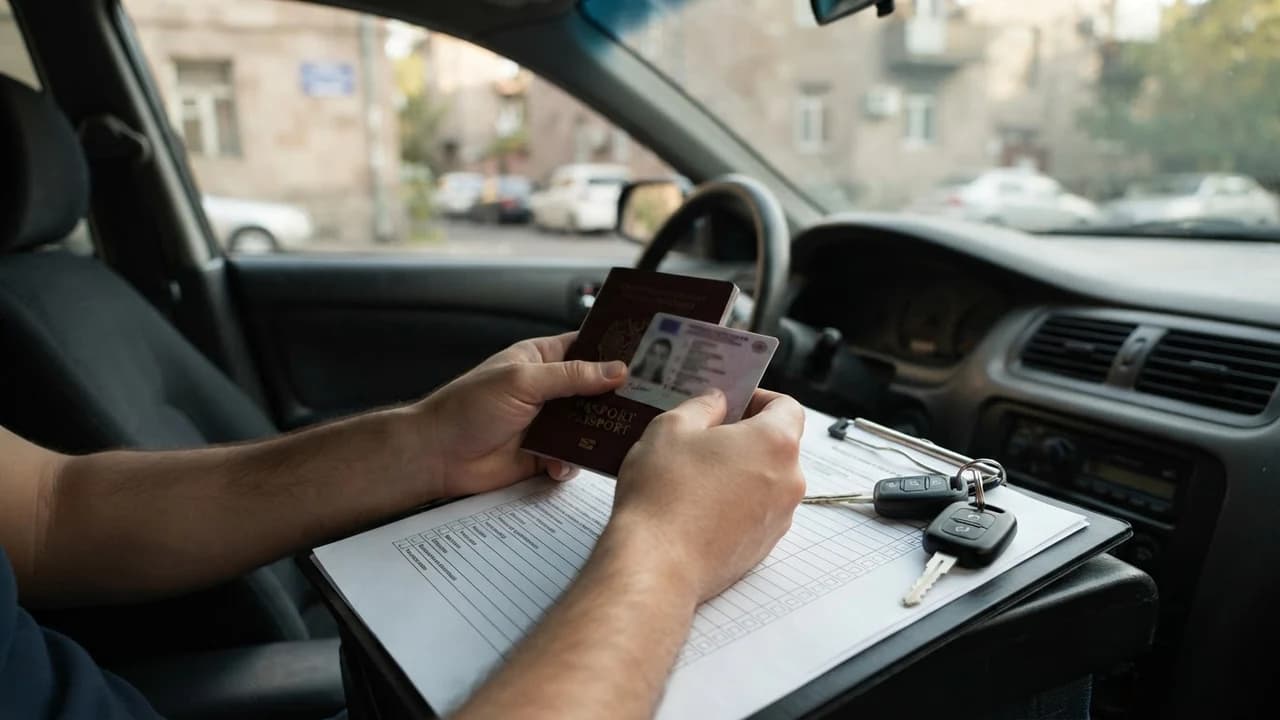

Card Holds in Car Rental: What a Blocked Amount Means
In car rental, a "blocked" amount on your card is usually a pre-authorization hold, not a charge. Here's the difference, how to verify it, and who to contact first.
7 min read
In this article
In car rental, a "blocked" amount on your card is usually a pre-authorization hold, not a charge. Here's the difference, how to verify it, and who to contact first.
When you rent a car and see money "blocked" on your card, that's normally a pre-authorization hold — a temporary freeze that isn't yet a payment. An actual charge is the final amount taken from your card, and the two look different on your statement. This article shows you how to tell them apart, how to check your statement, and who to turn to if the amount doesn't match the agreed terms.
Key points
A quick summary before the details.
- A hold isn't a charge: a pre-authorization temporarily reduces your available balance, but the money hasn't left your account yet.
- JanCar doesn't hold deposits: the platform neither receives, blocks nor holds any security deposit. A deposit is stated on the listing and arranged directly between renter and owner.
- Check your statement: compare the amount, date and payee name against the listing's terms.
- Contact order: first the owner, then JanCar support, and finally your card-issuing bank.
What a card block (pre-authorization) actually is
A pre-authorization is the bank being asked: "does this card have enough funds?" The bank temporarily sets that amount aside from your available balance, but nobody has received it. It's a standard card mechanism — you can review the general concept on the Central Bank of Armenia's website (checked 2025) at cba.am.
Why your available balance drops without a charge
Because the bank reserves the amount to guarantee that the recipient can collect it later. In mobile banking this often appears as a transaction marked "hold" or "auth," sometimes without a final status. How long a hold takes to settle or release depends on your issuing bank and the card network — we won't quote a specific timeframe, because it varies and changes. For an exact answer, ask your bank.
What an actual charge is, and how it differs
An actual charge is the final transaction: the money leaves your card and reaches the recipient. On your statement it typically shows as a posted transaction with a date, amount and payee name.
Feature
Pre-authorization hold
Actual charge
Money taken?
No, only frozen
Yes
Available balance
Drops
Drops
Can return automatically?
Yes, if no charge is made
No, only via a refund
Statement label
Often "hold"/"auth"
Posted transaction
If the rental ends without problems, the owner either never charges the held amount or charges only what the agreement allows (extra fuel, for example), and the rest of the hold is released.
Where the deposit sits on JanCar: the platform's role vs the owner's terms
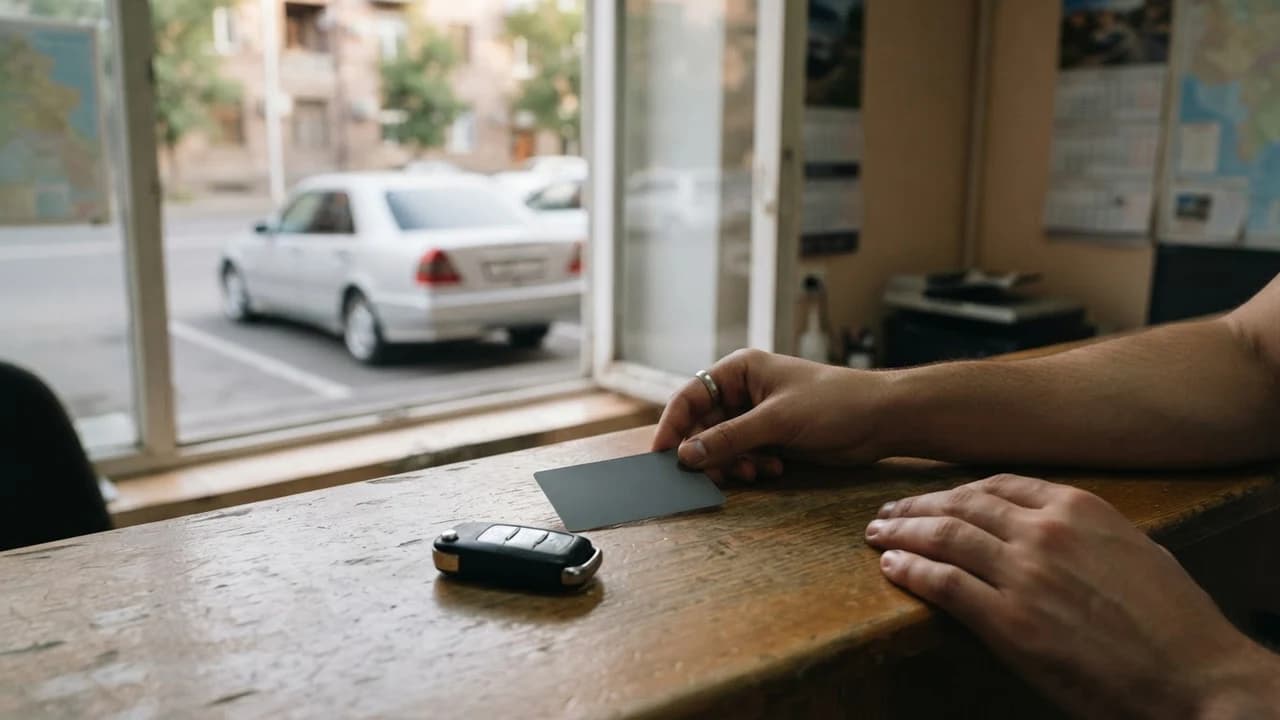
JanCar is a peer-to-peer car-rental marketplace: it connects renters with independent owners, but it neither holds money nor deposits itself. If a fixed deposit is stated on the listing, its amount and transfer are arranged directly between you and the owner.
That leads to one simple rule: price, insurance, mileage, fuel, deposit and pickup terms should always be checked on the listing itself and with the owner. If you see a blocked amount on your card, your first question should be: "does this match the deposit or rental fee stated in the listing?"
How to check your card statement step by step
The check takes a few minutes and resolves most cases.
- Open your mobile or internet banking and find your recent transactions list.
- Locate the disputed amount and note three things: amount, date, payee name/description.
- Open the JanCar listing and compare whether the amount matches the rental fee or the stated deposit.
- Check the date: a hold often appears on booking day, while the final charge comes at the end of the rental.
- If the name is unfamiliar or the amount appears twice, take a screenshot as evidence for later.
What if the amount doesn't match the listing?
Don't panic and don't assume fraud. The first step is verification, not dispute. Often it turns out to be two separate transactions — a rental fee and a deposit hold — or simply a currency conversion difference. If the mismatch remains after checking, follow the contact order described below.
The right order of contacts in case of a mismatch
The right order saves time: start with whoever knows the transaction details best.
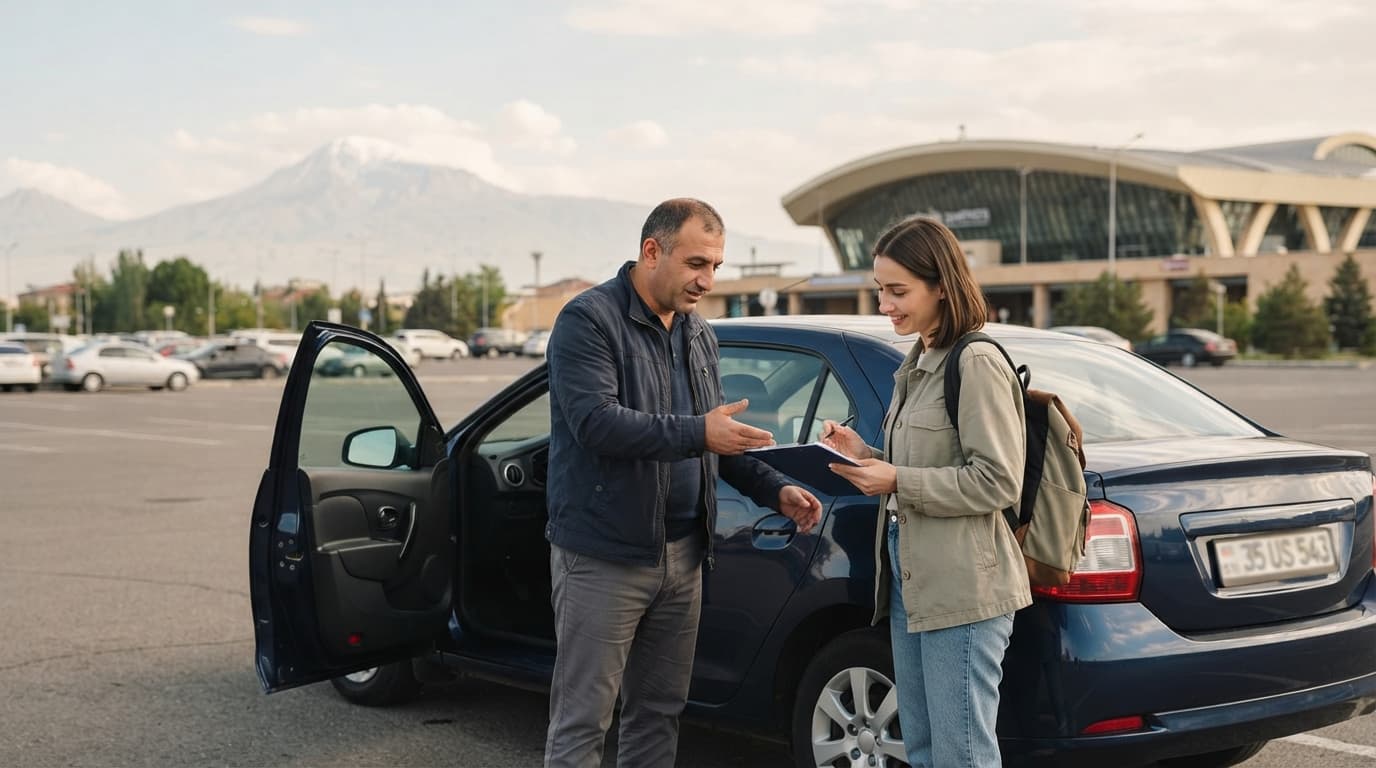
- The owner: message them via JanCar chat and ask what was held or charged, and why. Reference the listing's terms.
- JanCar support: if the owner doesn't reply or the answer is unclear, contact platform support, attaching your statement screenshot and the listing terms.
- Your issuing bank: if you suspect an unauthorized transaction or fraud, contact your bank — and report to the police (roadpolice.am) if there are signs of fraud. The bank runs its own dispute procedure; we make no promises about timelines.
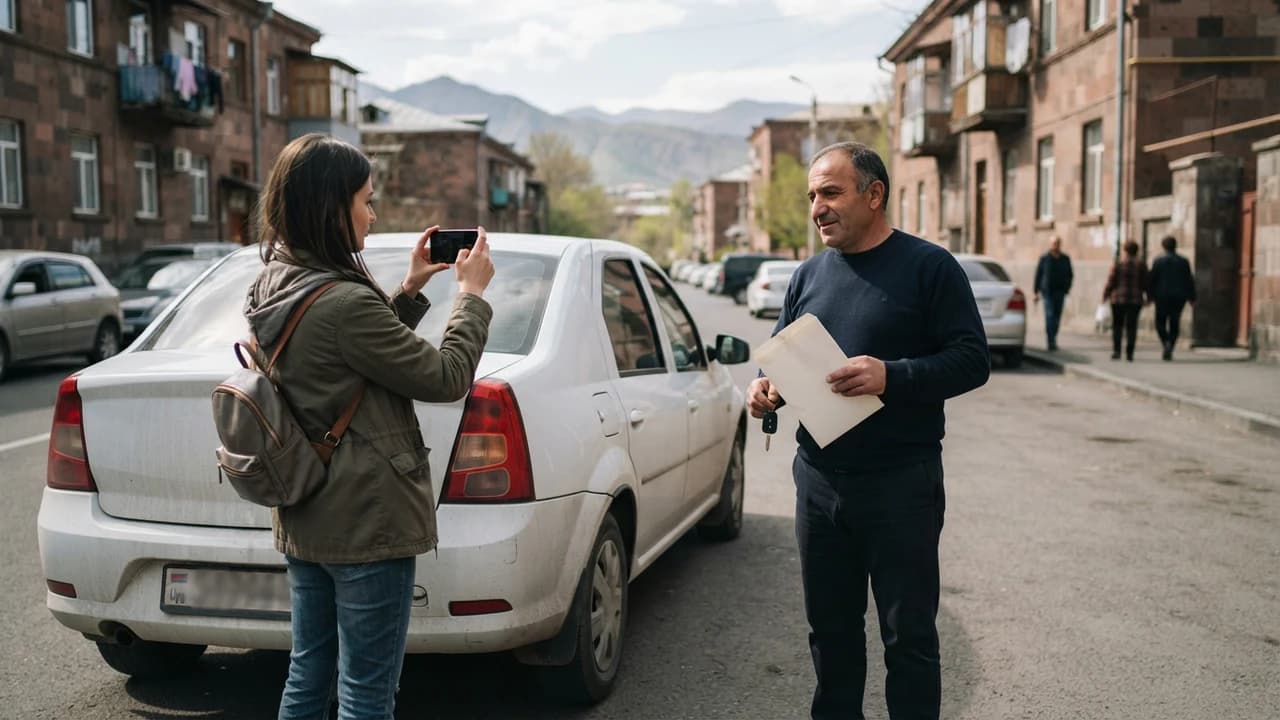
The best way to avoid disputes is documentation: photograph the car at pickup and return, record the fuel level, mark existing damage on a diagram, and both sign a handover act.
Common mistakes and risks
- Mistaking a hold for fraud: before blocking your card immediately, compare the amount with the listing first.
- Paying the deposit outside the agreed channel: transfer the deposit exactly as agreed with the owner, and keep proof.
- Ignoring dates: a hold and a charge can appear on different days, which often causes unnecessary alarm.
- Not collecting evidence: disputing a payment without photos and a signed act is far harder.
Checklist: what to confirm in advance
Before renting a car, run through this short list.
- The deposit amount and how it should be transferred — from the listing.
- The final rental price and what it includes.
- Insurance coverage — based on the policy the owner shows you.
- Pickup and return time and place.
- Driver requirements — licence experience and age.
On rental day: photos, fuel level, damage diagram, and a handover act signed by both sides. That habit protects both the renter and the owner.
Frequently asked questions
When does a blocked amount return to my card?
If no charge is made, the bank releases the hold automatically — but the timing depends on your issuing bank and the card network. We don't quote specific days because they vary; ask your bank for an exact answer.
Who holds the deposit in a JanCar rental?
JanCar doesn't receive or hold deposits. If a deposit is stated on the listing, it's arranged directly between renter and owner under the terms shown there.
What if I suspect an unauthorized transaction?
Contact your issuing bank right away and request the transaction details; if necessary, also report to the police. If fraud is suspected, the bank may temporarily block your card.
Related reading
Continue with these verified related guides.
This is general information. JanCar does not receive or hold a vehicle deposit. Check price, deposit, insurance and every other term on the listing and directly with the owner.
More JanCar guides
Continue with these closely related practical guides.
Frequently asked questions
When does a blocked amount return to my card?
If no charge is made, the bank releases the hold automatically — but the timing depends on your issuing bank and the card network. We don't quote specific days because they vary; ask your bank for an exact answer.
Who holds the deposit in a JanCar rental?
JanCar doesn't receive or hold deposits. If a deposit is stated on the listing, it's arranged directly between renter and owner under the terms shown there.
What if I suspect an unauthorized transaction?
Contact your issuing bank right away and request the transaction details; if necessary, also report to the police. If fraud is suspected, the bank may temporarily block your card.
Sources
- JanCar — how it works
jancar.am · official source
- JanCar car catalogue
jancar.am · official source