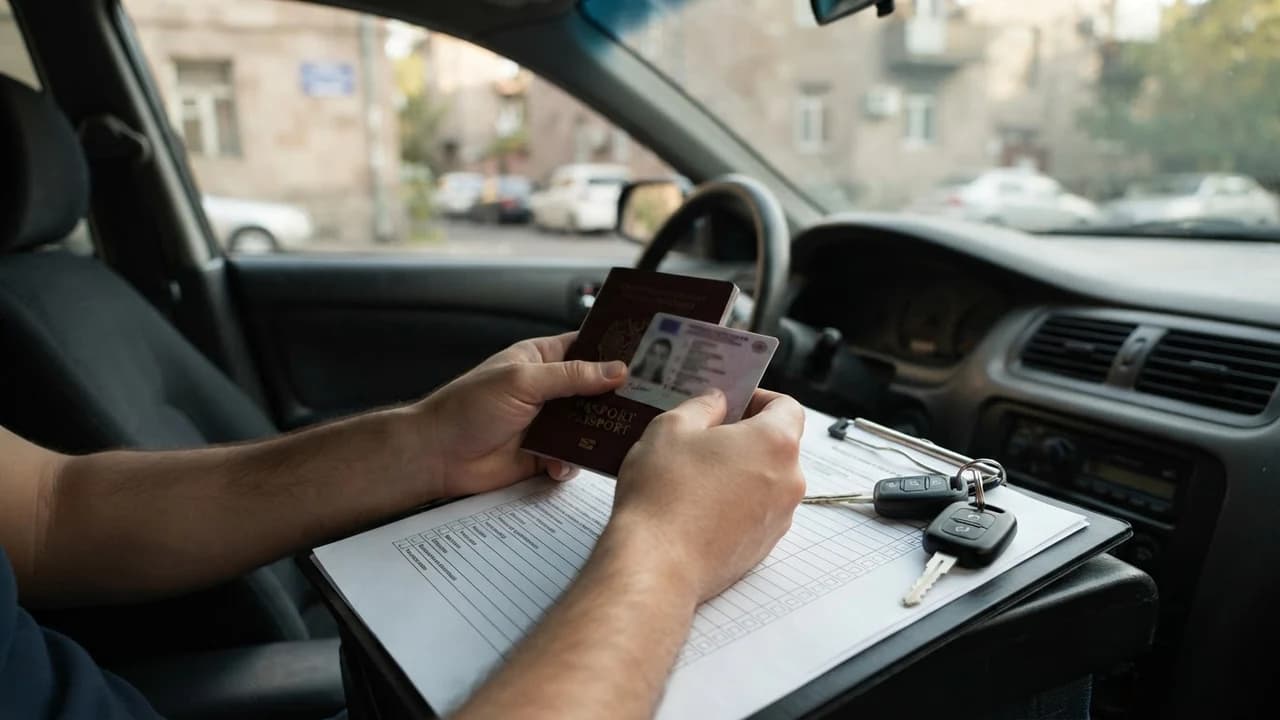

Car rental dispute evidence checklist for owners
In a dispute, your strength lies in organized documents: a verifiable six-block system — from the contract to return photos — for owners.
7 min read
In this article
In a dispute, your strength lies in organized documents: a verifiable six-block system — from the contract to return photos — for owners.
If a rental dispute arises, an owner should keep six groups of material: the rental agreement, a copy of the listing, messages, proof of payment, timestamped pickup and return photos plus the handover act, and any contact with support — each one dated. This article is a practical, organizational guide. It doesn't offer legal conclusions; it explains what to keep, how to date it, and how to tie it all to a single transaction.
Why keeping evidence is the owner's responsibility
Evidence-keeping falls on the owner because it's the owner who sets the car, price, deposit, insurance and handover terms through the listing and the agreement. JanCar is a connecting platform: it brings independent owners and renters together, but it isn't a party to the transaction.
That means the platform doesn't sign a contract on your behalf, doesn't inspect the car at handover, and doesn't decide how a dispute ends. Your main protection is an organized, dated document package.
The general legal framework in Armenia is set by the Civil Code, whose current text is published in the legal information system (arlis.am, checked as of 2025 publications). In an actual dispute, leave the legal assessment to a professional — your job is to have a checkable record.
The contract: the first and main piece of evidence
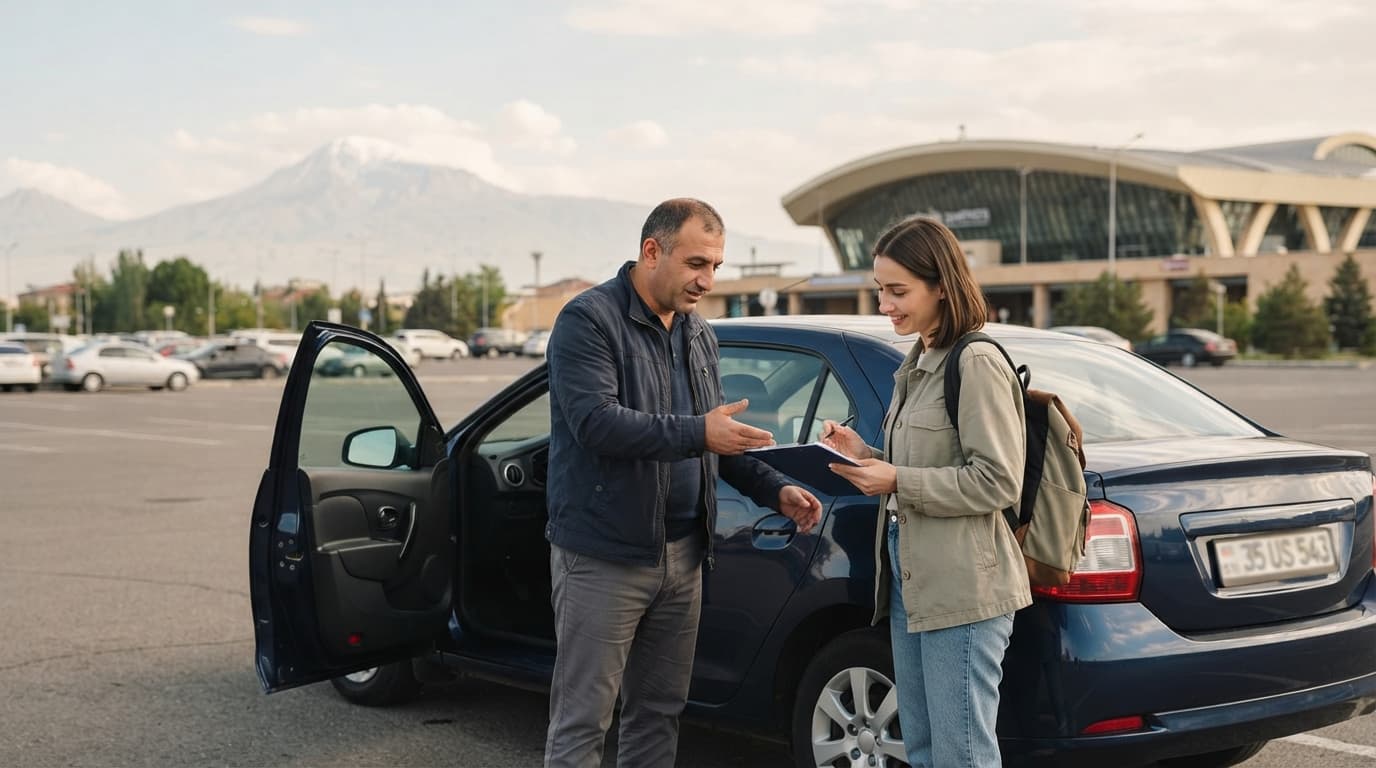
The contract is the first and main evidence in a dispute, because it fixes the parties, dates, price and responsibilities. Even a handwritten sheet beats nothing, but at minimum the agreement should include:
- the parties' names and passport details,
- the car's details — make, model, plate number, VIN,
- the rent, term and payment method,
- the deposit amount and refund procedure, if one applies,
- the mileage limit, fuel condition, pickup and return place and time,
- both parties' signatures and the signing date.
Keep the contract in two forms: paper and digital. Scan or photograph every page and store them in a separate folder with the transaction date and renter's name in the file name.
The saved listing copy: fixing the price and terms
A saved copy of the listing fixes the exact terms the renter actually agreed to. Before the rental, take a screenshot of the entire listing page — price, dates, mileage limit, fuel condition and any stated deposit.
If the price or terms changed during negotiations, the final version should be reflected in the contract, while the old screenshot stays as history. That way you can see what both of you ultimately agreed on.
In the same step, check the insurance policy stated in the listing: ask to see the current document and keep a copy. Coverage details can't be concluded without reading the policy text itself.
Messages and proof of payment
Messages and payment records show how you agreed and what was actually paid. Keep all arrangements in writing — in platform correspondence or in messages where the date is visible.
After a verbal conversation, confirm the outcome with a short note: "Today at 14:00 we agreed…". Cancellations, delays and route changes should also stay in writing.
For payments, keep the transfer receipt or terminal slip — with date, amount and recipient. If payment is cash, reflect it in the contract or in a signed payment act. Remember: JanCar does not receive or hold the deposit; you and the renter arrange it directly, so documenting it is in your hands.
Dated pickup and return materials
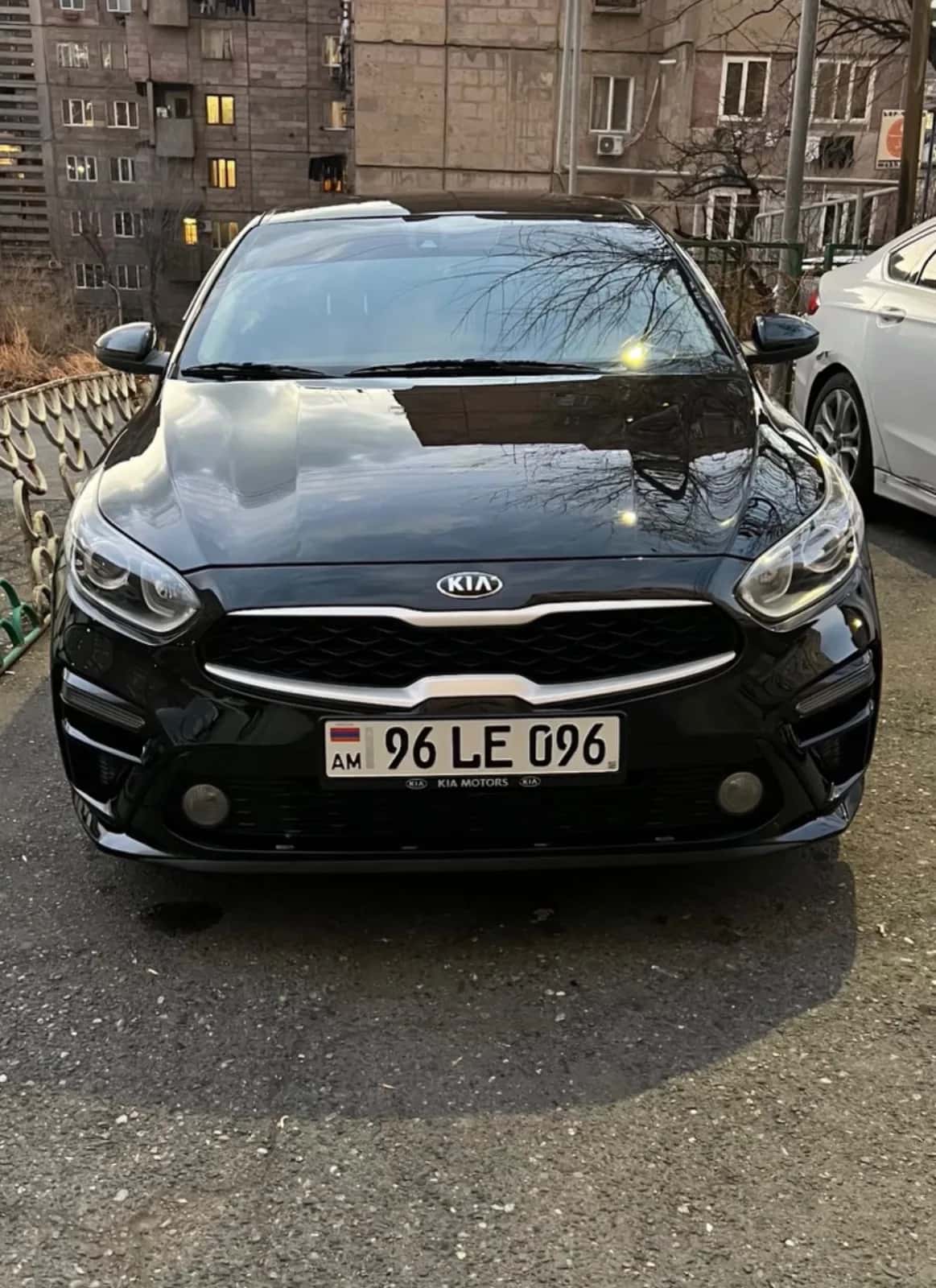
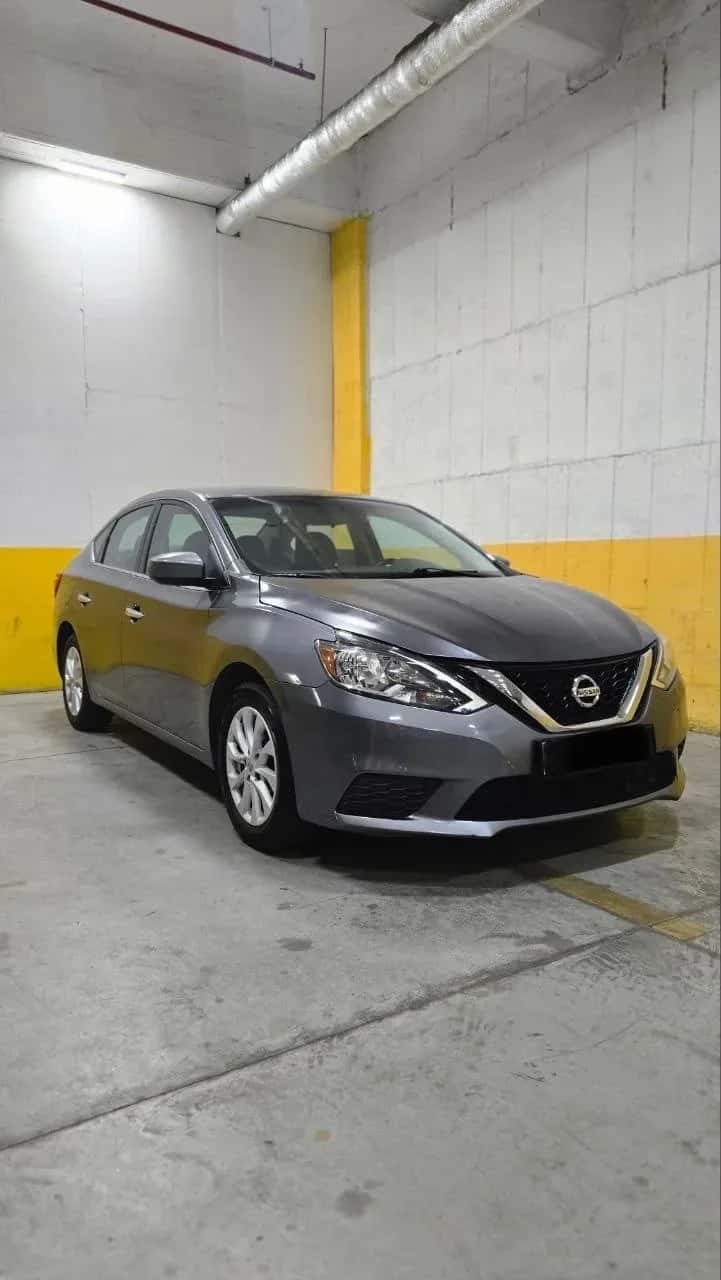
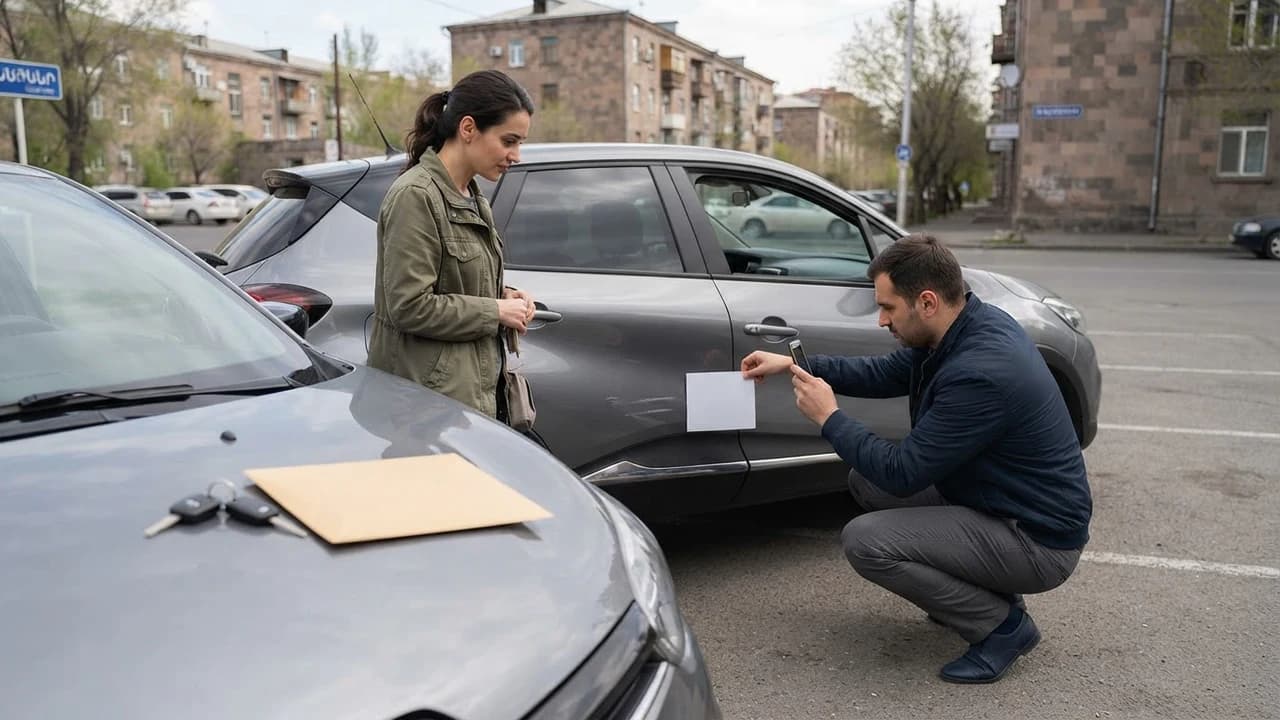
Dated pickup and return materials are the strongest evidence in a dispute, because they show the car's condition at two points — start and finish. Take photos with a phone whose timestamp works, and store the results without editing.
What to photograph at pickup and return
- All sides of the car, in corner shots and wide shots,
- existing damage up close, with scratches or dents clearly visible,
- fuel level, via a photo of the dashboard,
- mileage, via the odometer reading,
- interior, tires and windows.
Add a damage diagram to the photos — existing defects marked on a car outline. The most important document is the handover act: it summarizes the time, mileage, fuel, damage list and both signatures. Repeat the same routine at return — same angles, new act.
Contact with support and next steps
Keep support contact from the moment a dispute goes beyond ordinary questions and answers. If the renter doesn't return the car, refuses to sign the return act, or stops responding, contact JanCar support in writing and present your document package.
The platform can help establish contact, clarify listing details and document the correspondence, but it isn't a party to the deal and makes no ruling. Your safe fallback is always the same: complete documentation plus a timely request.
Common mistakes and key risks
Most common mistakes stem from one thing: terms stayed verbal. Here are the most frequent risks:
- No contract. Without a signed document, your position rests on memory.
- Photos only at pickup. Without return photos, you can't compare condition.
- Edited or undated materials. They weaken the timeline.
- Deposit rules never fixed. Refund conditions remain open to interpretation.
- Never seeing the insurance policy. No coverage conclusion is possible without the policy text.
Every mistake has the same fix: written, dated, visible to both sides.
Checklist: what to keep before, during and after
This checklist pulls the six blocks into one routine across the whole rental cycle.
Stage
What to keep
Before the rental
Listing screenshot with price, deposit, mileage and fuel; copy of the insurance policy; agreements in writing
At handover
Signed contract; pickup photos; fuel and mileage; damage diagram; handover act with two signatures
During
All messages; changes confirmed in writing; payment document
After return
Return photos; new act; signed confirmation of the deposit refund; support request if there's a dispute
Tie every item to one transaction by putting the date and renter's name in the file names. This routine needs no special software and no legal knowledge — just a habit.
Frequently asked questions
Does JanCar resolve disputes between owner and renter?
No. JanCar is a connecting platform: it helps establish contact and document correspondence, but it isn't a party to the transaction and issues no binding assessment. Your foundation is your own document package.
Is keeping just messages enough?
No. Messages show the arrangement but don't capture the car's condition. Without pickup and return photos and a handover act, a damage dispute is hard to substantiate.
Where do I hold the deposit money?
JanCar does not receive or hold deposits. If a deposit is stated on the listing, its transfer and refund are arranged directly between you and the renter — so documenting it is your responsibility.
Related search paths
Continue the topic with these vetted related guides.
- The rented car broke down — what to do first
- Questions to ask a car owner before renting: 15 questions
This is general information. JanCar does not receive or hold a vehicle deposit. Check price, deposit, insurance and every other term on the listing and directly with the owner.
More JanCar guides
Continue with these closely related practical guides.
Frequently asked questions
Does JanCar resolve disputes between owner and renter?
No. JanCar is a connecting platform: it helps establish contact and document correspondence, but it isn't a party to the transaction and issues no binding assessment. Your foundation is your own document package.
Is keeping just messages enough?
No. Messages show the arrangement but don't capture the car's condition. Without pickup and return photos and a handover act, a damage dispute is hard to substantiate.
Where do I hold the deposit money?
JanCar does not receive or hold deposits. If a deposit is stated on the listing, its transfer and refund are arranged directly between you and the renter — so documenting it is your responsibility.
Where to go next
- Damage Dispute at Car Return: What to Do
- Fake Car Rental Ads: How to Spot Them from the Photos, the Price and the Owner's Behavior
- Extending car rental insurance: owner's checklist
- Post-Return Car Inspection: Owner's Checklist
Sources
- JanCar — how it works
jancar.am · official source
- JanCar car catalogue
jancar.am · official source