
Damage Dispute at Car Return: What to Do
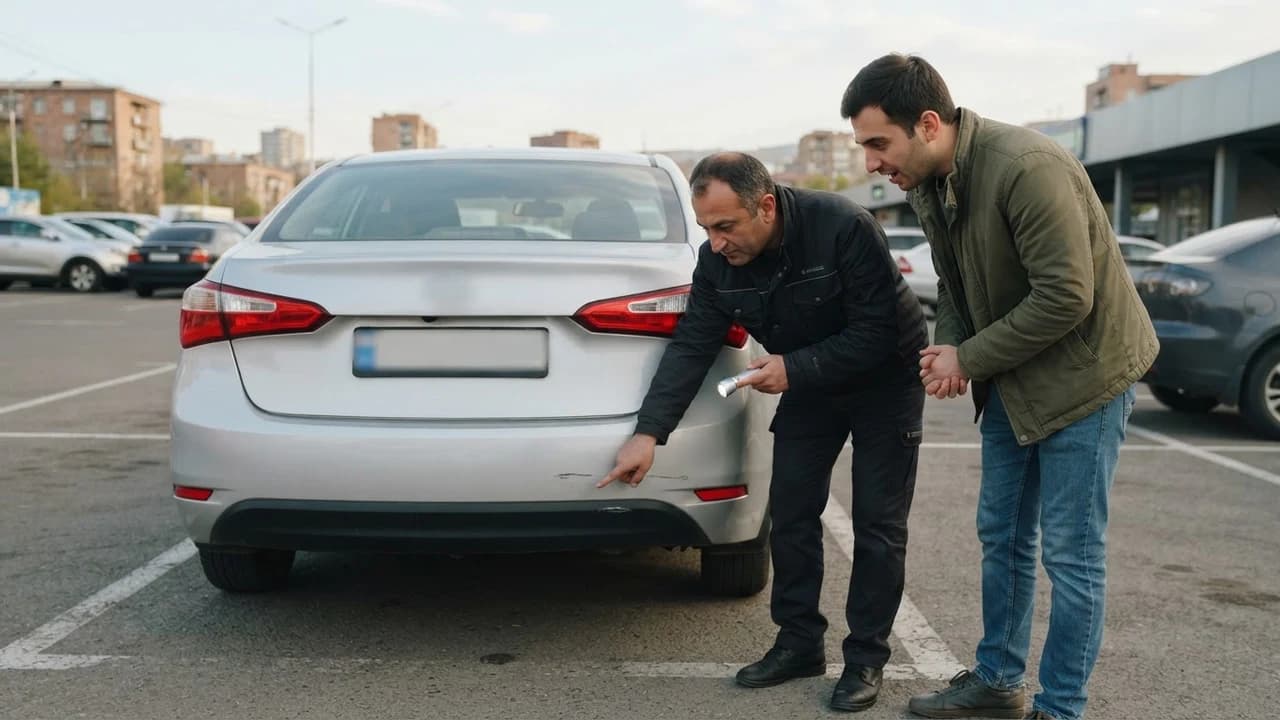
If the owner flags new damage at return that you don't agree with, don't argue on the spot and don't sign anything without checking.
7 min read
In this article
If the owner flags new damage at return that you don't agree with, don't argue on the spot and don't sign anything without checking. The order of preserving facts is simple: compare the initial records, photograph the condition, keep the handover act and messages, then follow the contract and the insurer.
What to do in the first minutes: don't decide fault yet
At the moment of return your job isn't to determine who's guilty — it's to record the condition. A heated argument proves nothing on the spot, and a paper signed without checking can work against you later. Say calmly: "Fine, let's record this together — with photos and an act."
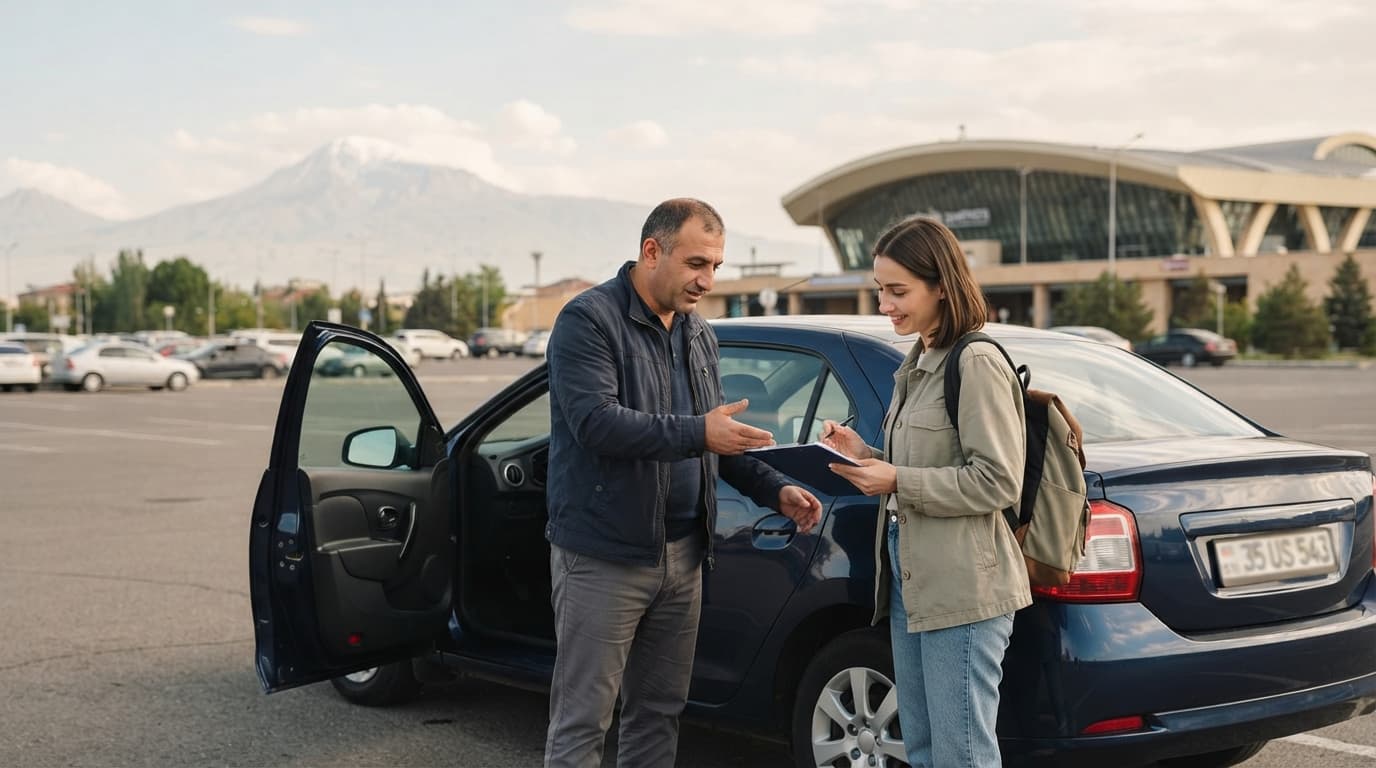
Check whether the flagged damage appears in the listing's defect notes or the existing-damage diagram. Many disputes end right here: it turns out the scratch was there from the start.
If the damage isn't listed, that still doesn't mean it's yours. It could have appeared before or after your rental. So the first step is always the same: facts, not conclusions.
Step-by-step checklist: preserving the evidence
This checklist works even if the argument has already started. Order matters: the starting materials are the baseline, return photos are the comparison, and the act plus messages are the proof.
- Compare the initial records — the listing's defect notes, the diagram and any start-of-rental photos.
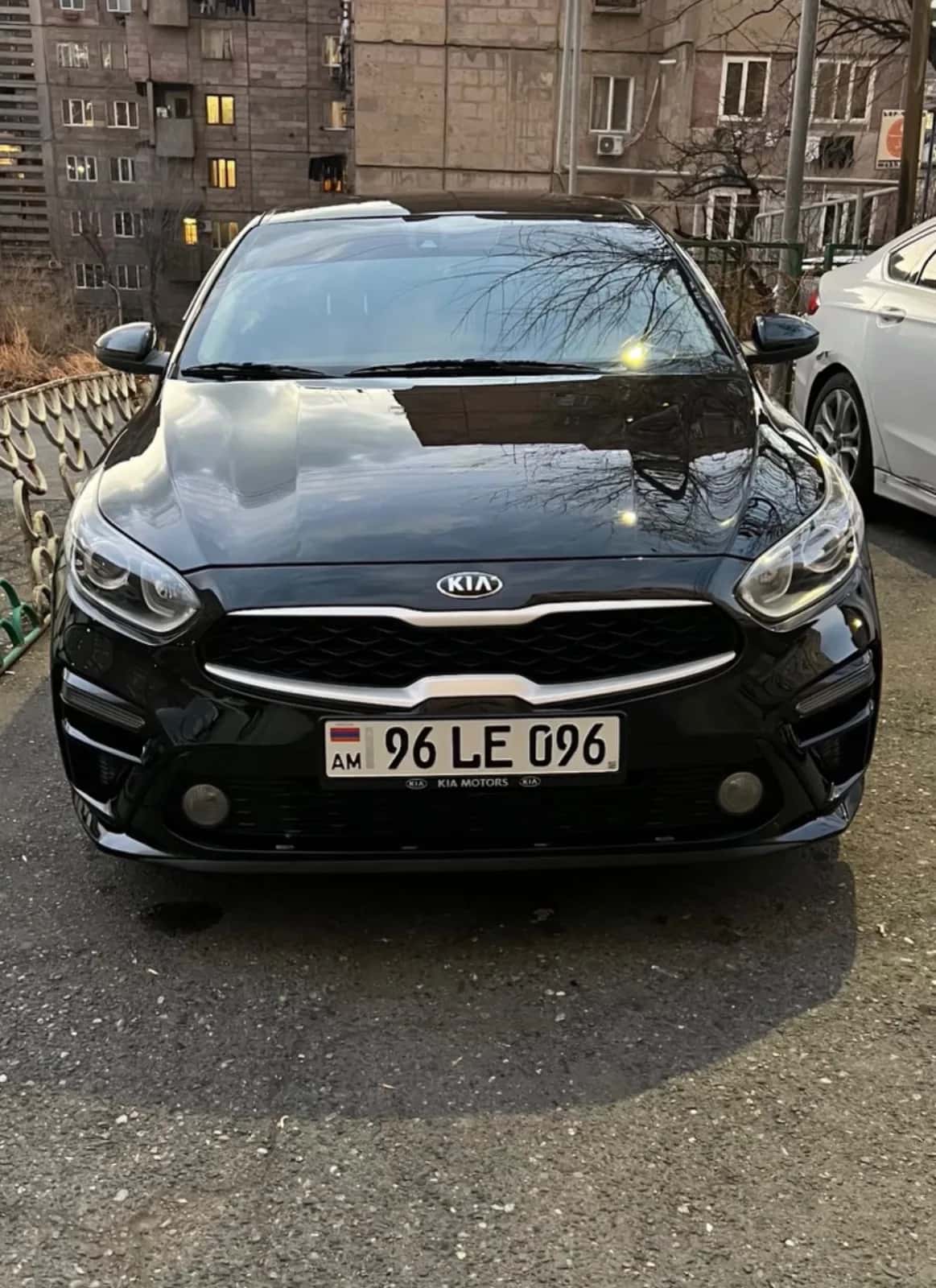
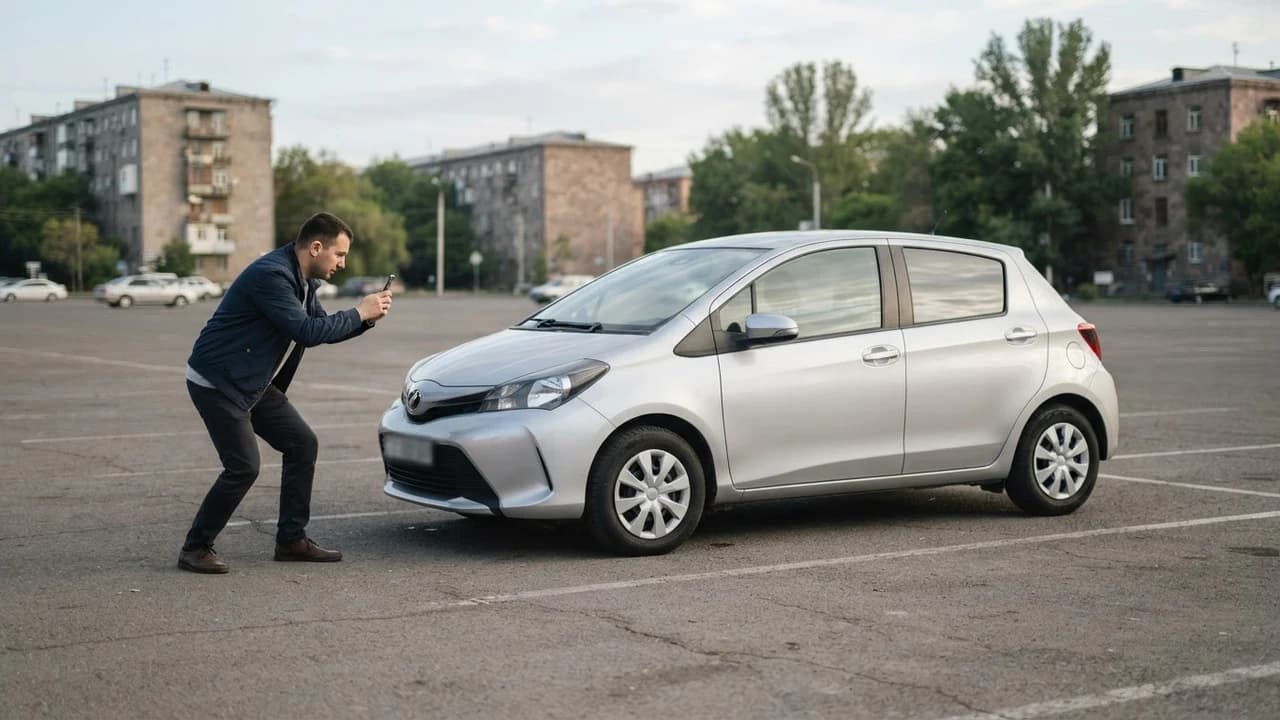
- Photograph and video the condition at return — all sides, plus a close-up of the flagged spot.
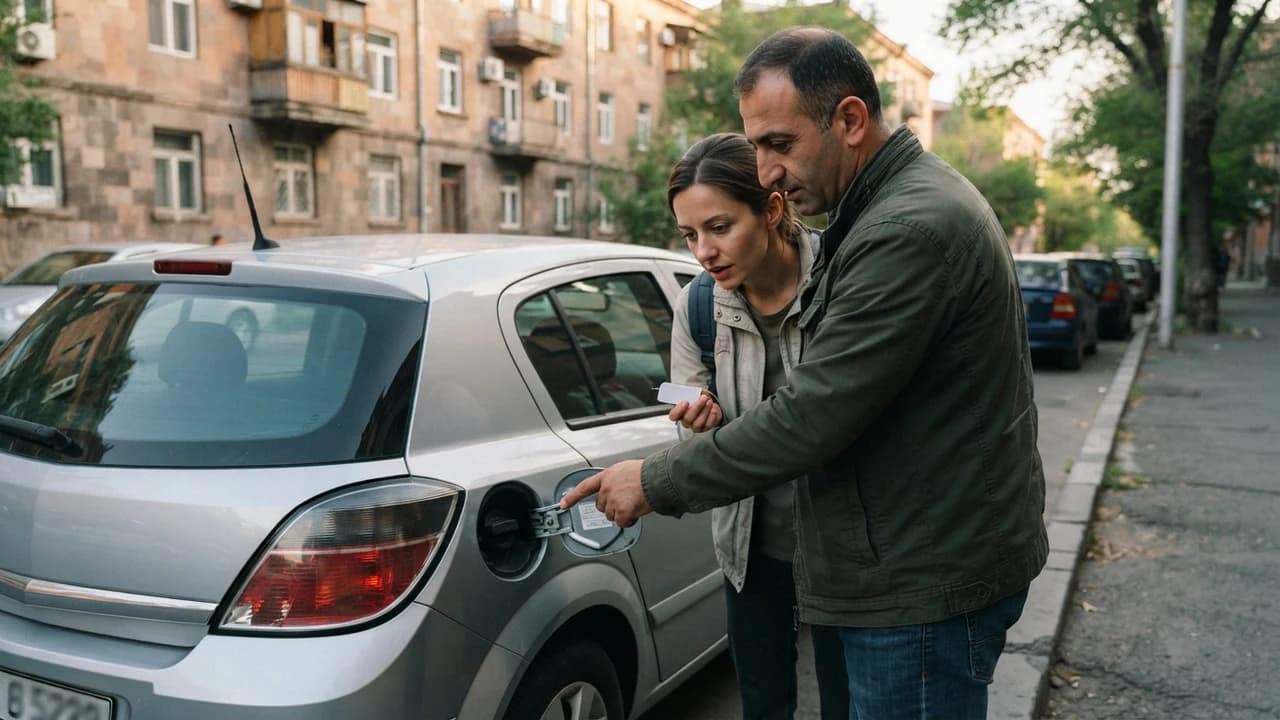
- Record the fuel level and mileage — a photo of the dashboard.
- Draft a handover/acceptance act — signed by both sides, with the disagreement noted.
- Keep written messages — don't delete the chat, back it up.
- Open the rental agreement — the clauses on damage and deposit.
- Contact the insurer, if the policy covers cases like this.
Compare the start-of-rental records
Your first line of defence is the opening paperwork. Open the listing and read what the defect notes section says. Compare it with the start-of-rental photos, if they exist.
If you didn't take photos at pickup, your word is all you have left. That's a risk you can easily eliminate before the next rental.
Photograph and video the condition at return
Walk around the car in a circle from four corners, then take close-ups of the flagged spot. Video adds extra value: it shows lighting and context.
Also capture the fuel gauge and mileage. These often become the second point of dispute alongside the damage.
Keep the handover act and written communication
The handover/acceptance act is the strongest document. It can be on paper or digital — by email or messenger — with both parties' signatures.
If you can't agree on the spot, write into the act verbatim: "The parties disagree about when the damage occurred." This doesn't make you look worse; it simply records the truth.
Keep the conversation in writing, even if talking on the phone is more convenient. Every promise and statement should stay on record.
Next steps: contract, insurer and deposit
The question of paying for damage is resolved across three layers: the agreement, the insurance policy and the deposit arrangement. Neither JanCar nor any third party decides for you who is at fault.
Open the rental agreement and read the damage clause: what counts as renter liability, and what counts as normal wear and tear. That distinction is often decisive.
Ask to see the insurance policy and check what it actually covers. Don't assume coverage from someone's word; the policy text is the only source. Note: insurance terms change, so verify them in the policy and with the insurer at the time of reading (checked 2025).
As for the deposit: if one is stated on the listing, it's arranged directly between you and the owner. In a dispute the deposit isn't returned automatically, but it isn't lost either — it stays subject to negotiation until the facts are clarified. If the sides can't agree, the matter can be resolved through the procedure set out in civil law; the relevant provisions are available in Armenia's legal information system (arlis.am, checked 2025).
Mistakes and key risks
The most expensive mistake is signing without checking. If the act says "the damage was caused by the renter" and you disagree, do not sign that wording.
- Arguing on the spot. A raised voice doesn't become a document, but it does ruin the negotiation.
- Refusing to return the car as a protest. Return it on time and note the disagreement in the act instead.
- Deleting messages. Erasing an angry chat hurts you later.
- Relying on verbal promises. Turn "I'll return the deposit later" into a written note.
- Assuming insurance coverage. Check it in the policy, not in your memory.
Remember the reverse risk too: if the damage really did happen during your rental, honest documentation and following the contract will cost you less than a drawn-out dispute.
What to sort out beforehand, before the next rental
Prevention is always cheaper than a dispute. Next time you pick up a car, make these five points non-negotiable.
- Read the listing's defect notes and compare them against the car in person.
- Take start-of-rental photos — all sides, including tyres and interior.
- Draw or fill out the existing-damage diagram.
- Record the fuel level and mileage with both parties watching.
- Sign the handover act from both sides, stating the return time and place.
These steps take ten minutes, but in a dispute they save hours of back-and-forth.
JanCar's role and its limits
JanCar is a connecting platform between a renter and an independent owner, not a rental company with its own fleet. The car, price, deposit, insurance and handover terms are set by the listing, agreed with the owner and fixed in the agreement.
JanCar doesn't receive, block or hold a deposit. If a deposit is stated on the listing, its payment and return are organised directly between you and the owner.
The platform doesn't assign blame in a damage dispute and doesn't guarantee compensation. Your most reliable tools remain photos, a two-signature act and the contract. If you wish, you can choose your next rental from JanCar's catalogue — confirming the listing terms with the owner in advance.
Frequently asked questions
Who pays for the damage if the renter disagrees?
The paying party is determined by the facts — based on the agreement's clauses and the evidence. If the evidence shows the damage existed from the start or occurred outside the renter's period, the renter isn't obliged to pay. If the sides can't agree, the matter is resolved through the procedure set out by law.
Is the deposit returned if there's a damage dispute?
There's no automatic refund, but the deposit isn't lost: it stays subject to negotiation until the facts are clarified. JanCar holds no deposits — settlement happens directly between renter and owner, according to the agreement.
What if I didn't take photos at pickup?
Work with what you have: the listing's defect notes, the act and written messages. Do take return photos without fail. And before the next rental, make start-of-rental photos a habit.
Related search paths
Continue the topic with these verified related guides.
This is general information. JanCar does not receive or hold a vehicle deposit. Check price, deposit, insurance and every other term on the listing and directly with the owner.
More JanCar guides
Continue with these closely related practical guides.
Frequently asked questions
Who pays for the damage if the renter disagrees?
The paying party is determined by the facts — based on the agreement's clauses and the evidence. If the evidence shows the damage existed from the start or occurred outside the renter's period, the renter isn't obliged to pay. If the sides can't agree, the matter is resolved through the procedure set out by law.
Is the deposit returned if there's a damage dispute?
There's no automatic refund, but the deposit isn't lost: it stays subject to negotiation until the facts are clarified. JanCar holds no deposits — settlement happens directly between renter and owner, according to the agreement.
What if I didn't take photos at pickup?
Work with what you have: the listing's defect notes, the act and written messages. Do take return photos without fail. And before the next rental, make start-of-rental photos a habit.
Where to go next
- Decorating a Wedding Car: What's Allowed and How Not to Damage It
- Reviewing a Renter After Car Return
Sources
- JanCar — how it works
jancar.am · official source
- JanCar car catalogue
jancar.am · official source