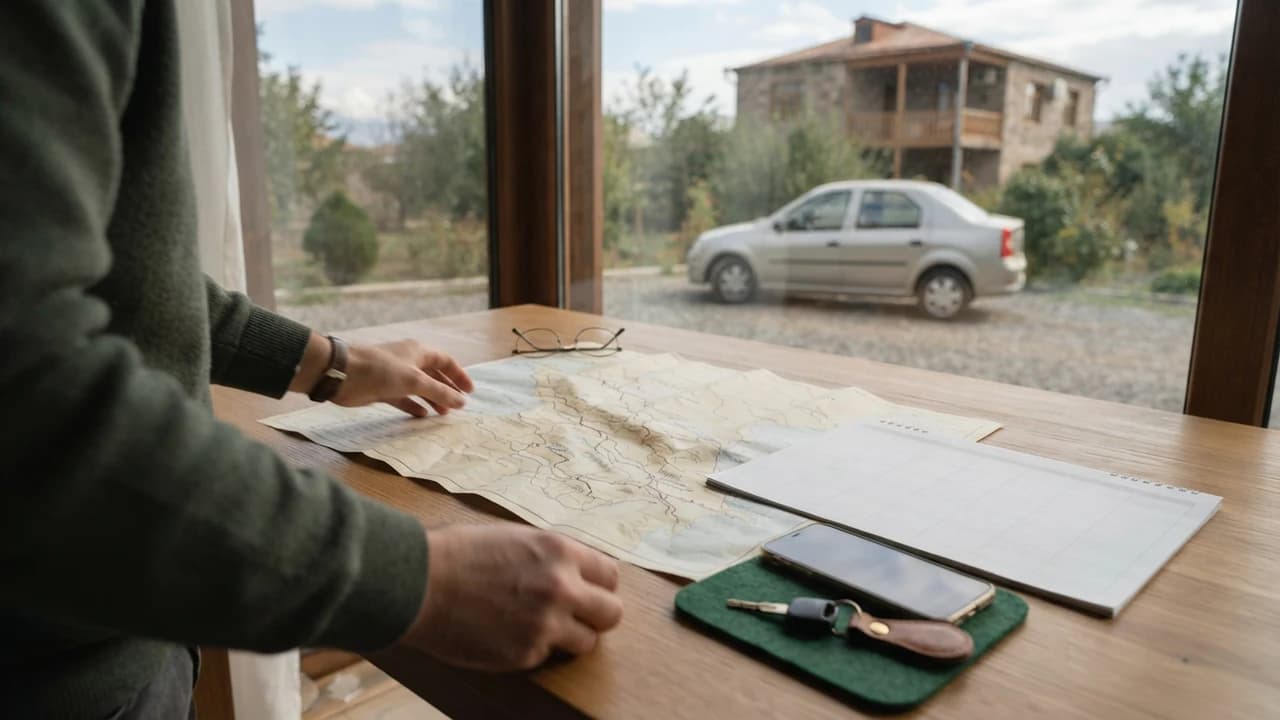

Roof Box on a Rental Car: Permission and Checks
You can put a roof box on a rental car only under two conditions: factory roof rails and the owner's written "yes". A step-by-step checklist.
7 min read
In this article
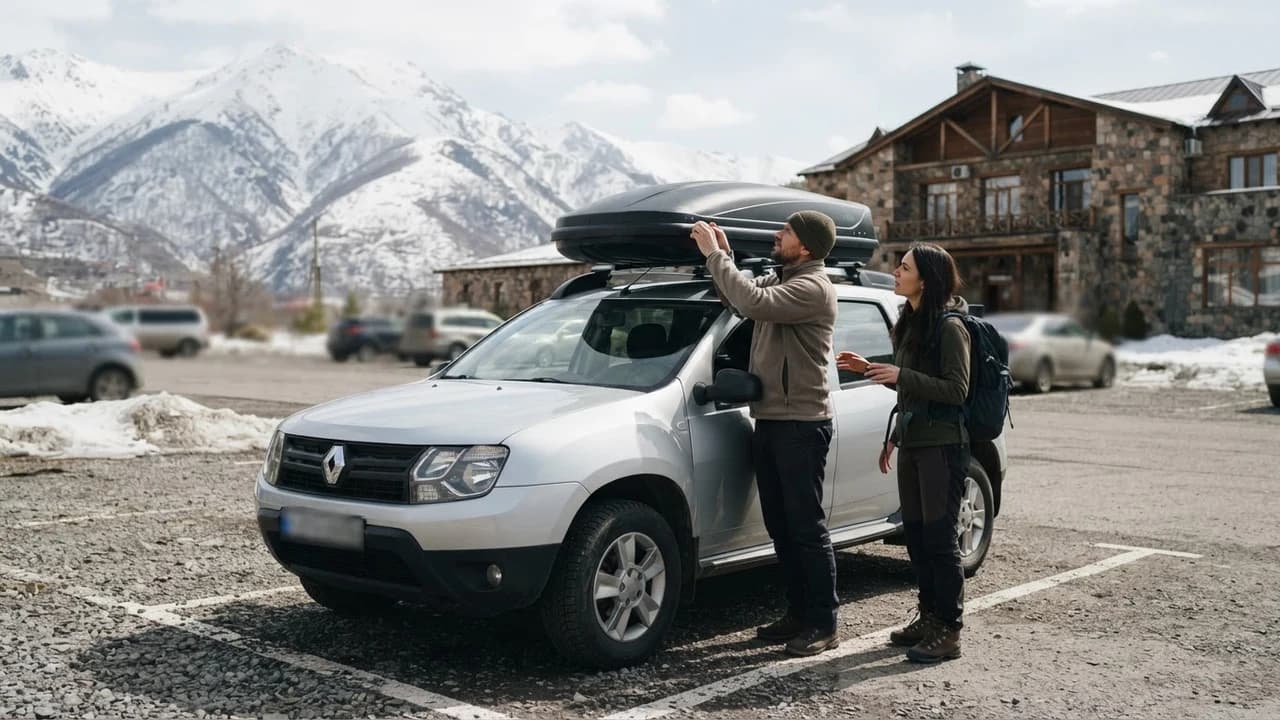
A roof box can go on a rental car only under two conditions: the car has factory roof rails, and the owner has agreed in writing. JanCar doesn't install or approve accessories — everything is settled by the listing and with the owner.
Key Takeaways
Before you put a box on a rented car, you need to pass four separate checks. Each one depends on a different source, and none of them replaces another.
- Factory compatibility — the car must have factory roof rails or mounting points. Check the owner's manual, not by tugging at the roof.
- Maximum roof load — the kilogram limit stated in the manual, including the weight of the rack and the box itself.
- Who mounts it — installation happens only with the owner's written consent, recorded in the handover act.
- Plate and light visibility — the load must not cover the number plate or any lights.
JanCar is a connecting platform. The cars belong to independent owners ("hosts"), and accessory permission, price, deposit and insurance are set by the listing terms and agreed directly with the owner. JanCar does not receive or hold a deposit; if an owner requires one, you arrange it between yourselves.
When You Can Put a Roof Box on a Rental Car at All
A roof box is only possible when both conditions hold at once: the car has factory rails, and the owner has given written consent for the installation. If even one is missing, mounting a box is risky and can end in damage or a dispute at return time.
Two conditions: rails + the owner's written consent
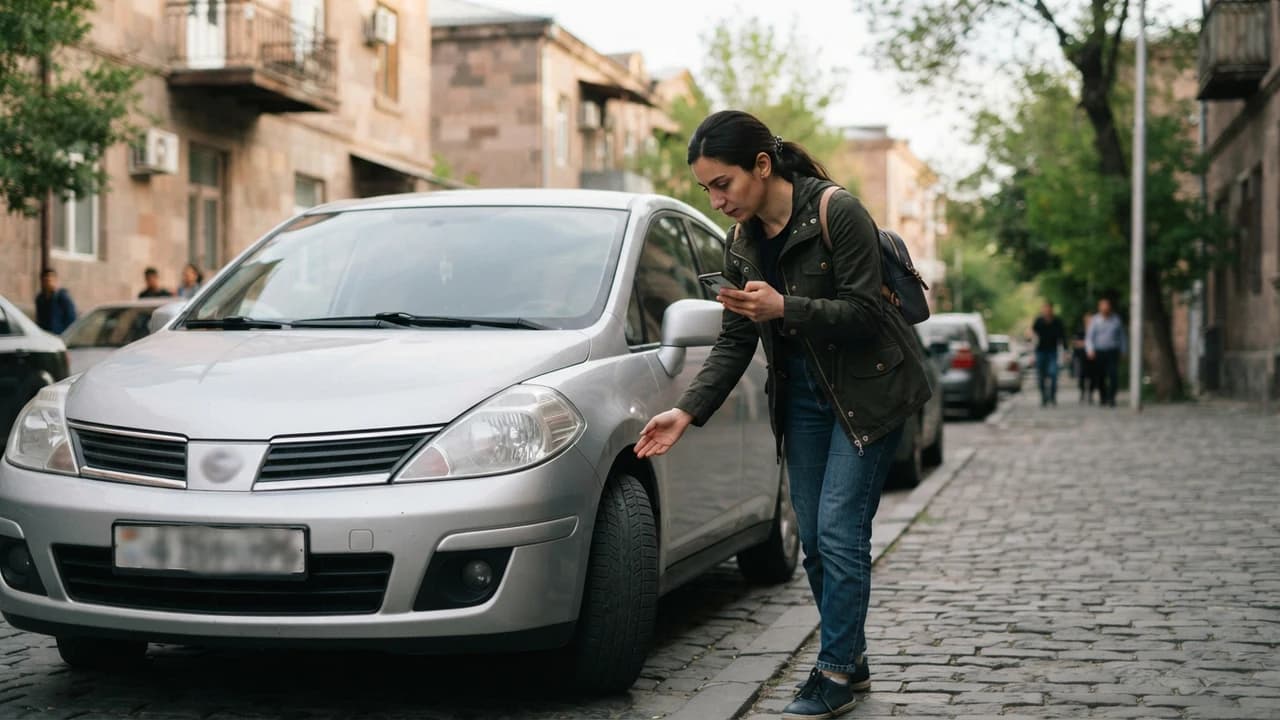
The first condition is technical. A roof box attaches to factory roof rails or mounting points. Not every car has them, and judging "by eye" is dangerous. Open the car's owner's manual, or simply ask the host before the rental starts.
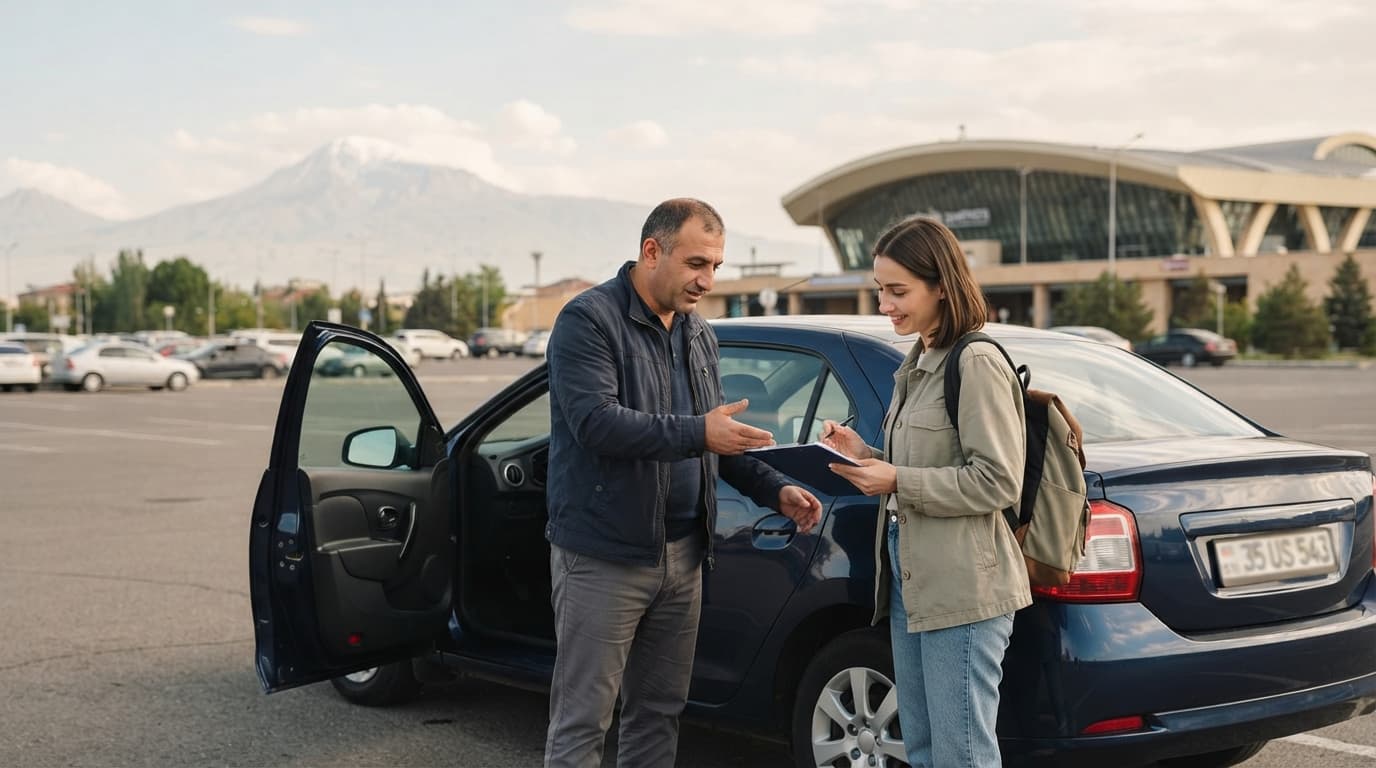
The second condition is contractual. A renter has no right to modify someone else's car or add fittings on their own. Consent should be in writing — a message or a line in the handover act — not a verbal promise. That way, neither side can argue later about what was actually permitted.
Step-by-Step Checklist Before Mounting
The checklist is short — four steps, each with its own source. Run through them in order before lifting the box onto the roof.
- Check the listing — does the car have roof rails, and does the owner allow accessories at all?
- Check the manual's load limit — see below.
- Agree on the installation — who fits it, when, and with what tools.
- Record everything in the handover act — signed by both sides.
Checking the maximum roof load in the manual
Every car's owner's manual states the maximum permissible roof load in kilograms. That figure includes not just your belongings but also the weight of the rack and the box itself. We won't quote a number because it differs from model to model — take the exact value from that specific car's manual, or ask the owner.
If the manual doesn't state a roof load, or you can't find it, the safest move is not to fit a box. A missing figure is not a free pass.
Agreeing it in the handover act
The digital handover act is the document that records the car's condition at pickup. Add clear items to it: permission to install, who will do it, the condition of the box and rack, and a diagram of existing scratches. Both signatures take the act out of dispute territory.
Photos and a fuel-level record aren't mandatory, but they sharply reduce the chance of an argument at return.
Who Is Responsible for Installation and Damage
Responsibility is defined by the handover act and the terms agreed with the owner, not by some general rule. That's why installation details need settling before you pick up the car, not after.
We don't encourage DIY fitting without experience. A badly mounted box can damage door edges, rails or paint, and cargo flying off on the road endangers others. If the owner installs it themselves or shows you the correct attachment, that's the safest option.
On insurance, don't draw conclusions yourself. Ask the owner to show you the current policy and confirm whether roof accessories and related damage are covered at all. Coverage limits are decided by the policy, not by the platform or this article.
The Plate and Lights Must Stay Visible
Your load must not cover the number plate, indicator lights or any other lighting elements of the car. This isn't an owner preference — it's a road requirement, and breaking it can mean a fine.
For the current provisions on loads and visibility in Armenia's Road Traffic Rules, check the official legal information system arlis.am; up-to-date information on fines and road requirements is on roadpolice.am. As of writing — 2025 — we've checked these sources, but rules can change: always go back to the primary source before your trip.
Also remember: a heavily loaded car is more sensitive to wind, so it makes sense to slow down in strong crosswinds.
Common Mistakes and Risks
The most common mistakes are predictable, and each one is easy to avoid with a single clear question or a note in writing.
- Verbal consent. "He said it was fine" protects neither renter nor owner. Record it in the act.
- Ignoring missing rails. Tugging at the roof or "I'll rig something up" is a direct path to damage.
- Overloading. The manual's figure includes the box's own weight, not just your stuff.
- Covered number plate. That stops being a rental issue and becomes a traffic-rules issue.
- Assuming insurance covers it. A policy doesn't automatically cover everything — check with the owner.
For every risk, the answer is the same: clarify in advance and put it in writing.
What If a Roof Box Isn't Possible: Alternatives
The simplest alternative is choosing a different car — something with a bigger boot or a wagon body. Listing descriptions usually state the body type and capacity, and you can always ask the owner precise questions before booking.
If you don't need volume but need to transport something specific, the same logic applies to every item: first get the owner's consent, then record it in the handover act.
Frequently Asked Questions
Can I fit other accessories on a rental car?
Only with the owner's written consent, recorded in the handover act. This applies to any addition — from a child seat to a roof rack.
What is the maximum roof load in the car's manual?
It's the maximum kilogram figure stated in the manual, covering the combined weight of the rack, the box and the cargo. The number differs per model, so check the manual for your specific car.
Can a load cover the number plate in Armenia?
No. Under current road rules, a load must not cover the number plate or lights. Check current provisions on arlis.am and roadpolice.am before your trip.
Related Reading
Continue with these checked guides on related topics.
This is general information. JanCar does not receive or hold a vehicle deposit. Check price, deposit, insurance and every other term on the listing and directly with the owner.
More JanCar guides
Continue with these closely related practical guides.
Frequently asked questions
Can I fit other accessories on a rental car?
Only with the owner's written consent, recorded in the handover act. This applies to any addition — from a child seat to a roof rack.
What is the maximum roof load in the car's manual?
It's the maximum kilogram figure stated in the manual, covering the combined weight of the rack, the box and the cargo. The number differs per model, so check the manual for your specific car.
Can a load cover the number plate in Armenia?
No. Under current road rules, a load must not cover the number plate or lights. Check current provisions on arlis.am and roadpolice.am before your trip.
Where to go next
Sources
- JanCar — how it works
jancar.am · official source
- JanCar car catalogue
jancar.am · official source