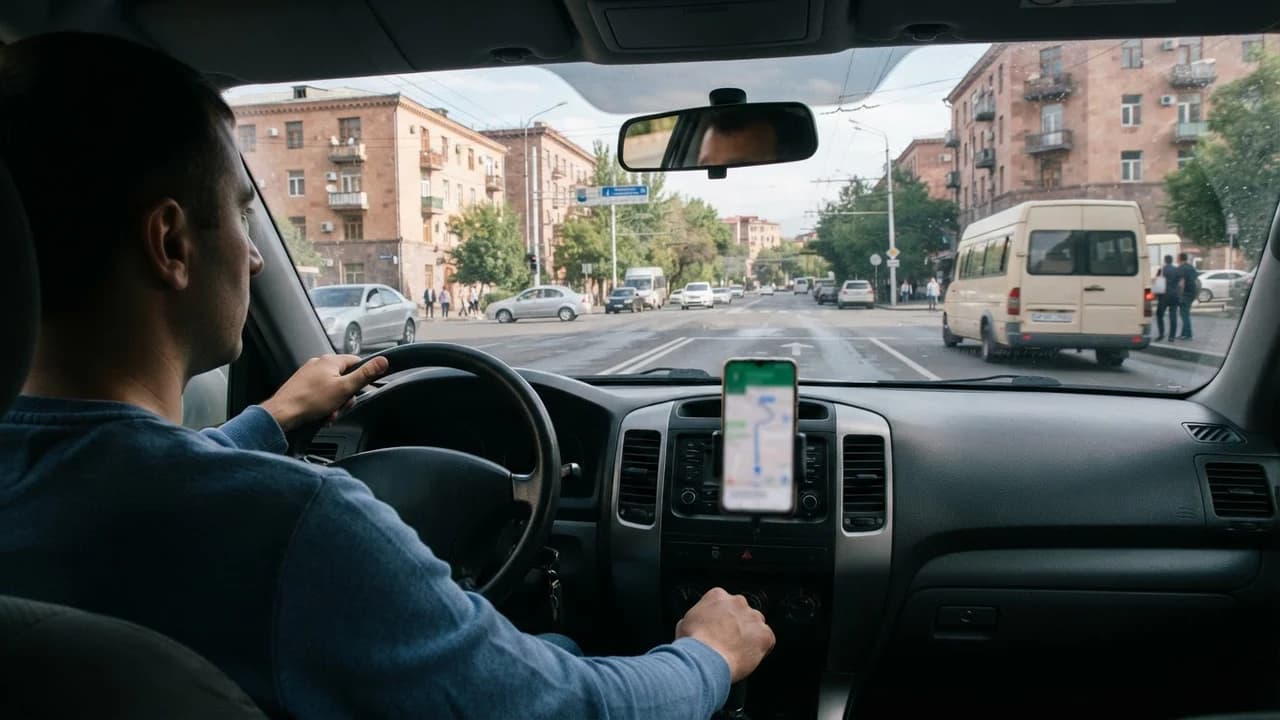

Lake Parz by Car: Road and Rental Checklist
Driving to Lake Parz depends on the condition of the final approach, your car’s suitability and a safe return route. If any of these is unclear, don’t continue.
10 min read
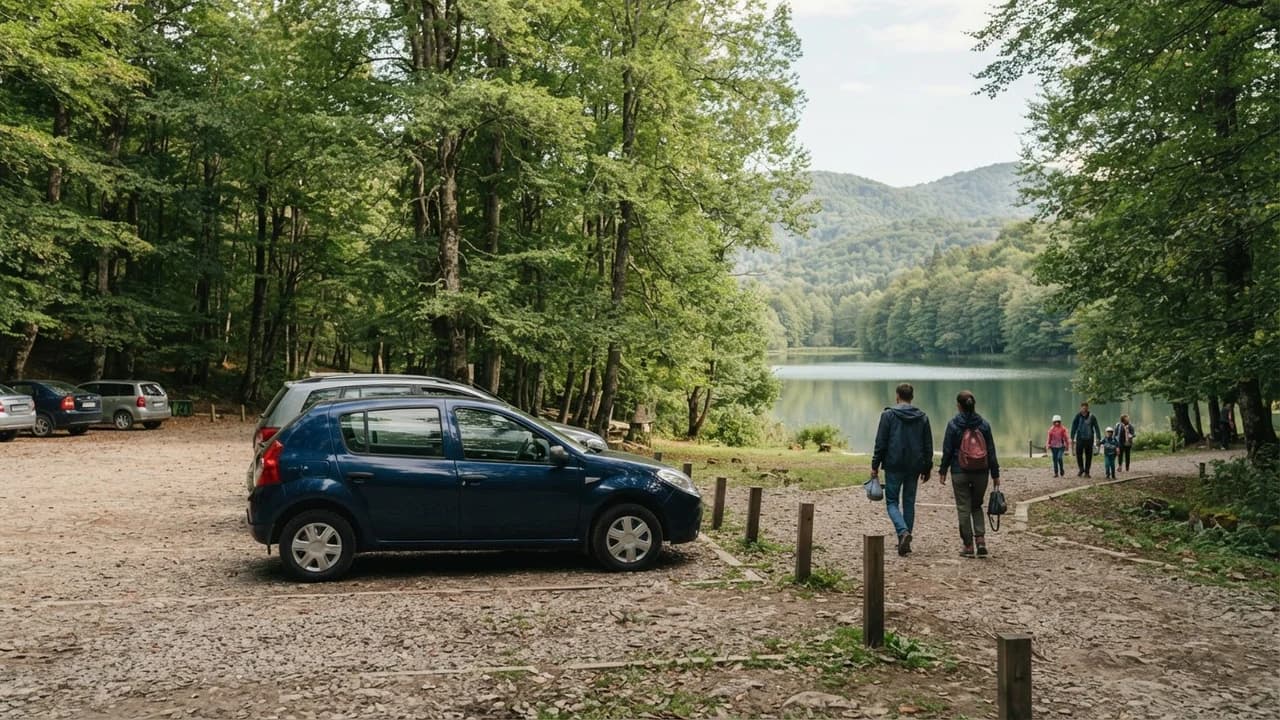
In this article
Driving to Lake Parz depends on the condition of the final approach, your car’s suitability and a safe return route. If any of these is unclear, don’t continue.
Before driving to Lake Parz, check current conditions on the final stretch, the weather and parking arrangements. If you don’t have reliable information about mud, snow, congestion or the ability to turn back safely, don’t enter that stretch until you’ve confirmed the conditions.
Make this decision three times: before setting off, before entering the final stretch and near the parking area. At each point, weigh up the road information, the car’s limitations and your return options. Passing the first check doesn’t replace the next one: conditions can change during the trip itself.
What to check in advance: the road, weather and route
Check the road from Dilijan to Lake Parz using same-day information, keeping general road reports separate from conditions on the final approach. Current passability, turnings, road surface and the entrance point have not been verified for this guide. That means it provides neither turn-by-turn directions nor confirmation that the road is open.
Where to check official updates
The Road Department Foundation’s official website, armroad.am, is a starting point for road updates. Read the date, time and road sections listed in the specific report. If it doesn’t cover the final approach to Lake Parz, it doesn’t confirm that stretch is passable.
Check the weather through the official website of the Hydrometeorology and Monitoring Center, meteomonitoring.am. Choose the forecast for the relevant area and day, paying attention to precipitation, temperatures and warnings. A forecast describes the weather; it doesn’t confirm the road surface condition or whether a car can get through.
Use Armenia’s Ministry of Environment website, env.am, to find official information and current contact details for Dilijan National Park. Direct questions about access, parking or restrictions to the person responsible. Don’t treat a general tourism description as confirmation of current entry conditions.
Record the source and the date you checked each piece of information, using DD.MM.YYYY. For time-sensitive updates, add the time and record the report’s publication date and time separately. This guide contains no dated confirmations of current conditions, so changing details about roads, weather, access or fees are not presented as verified facts.
What to do if there’s no fresh information on the final stretch
Don’t enter the final stretch without up-to-date information. Ask the person responsible whether the information comes from an on-site observation, which section it covers and when it was obtained. “Cars are getting through” isn’t enough if you don’t know what kind of cars, the road conditions or whether it’s possible to turn back.
After rain, ask about mud, puddles, flowing water and possible road damage. After snow, ask about clearance, remaining snow and possible ice. Record an on-site response as local information, naming whoever provided it, rather than presenting it as an official update.
Dilijan to Lake Parz: how to confirm the approach route
Compare the route suggested by your navigation app with the approach confirmed by the person responsible. Check the required turning, the entrance and the last place where you can still stop or turn around safely. If those details aren’t confirmed, a line on the map isn’t enough reason to continue.
Before the final stretch, choose a stopping place where you’re clearly visible and won’t obstruct traffic. Make your checks while parked, not while driving with a phone in your hand. Saving a map in advance may help you navigate, but it neither confirms that the road is passable nor justifies taking an unfamiliar shortcut.
Is the rental car suitable for this road?
Whether a regular passenger car or an SUV is suitable depends on confirmed road conditions, the vehicle’s mechanical condition and the rental terms. Neither extra ground clearance nor four-wheel drive guarantees safety. The type of car can’t make up for missing road information.
What to ask the owner before booking
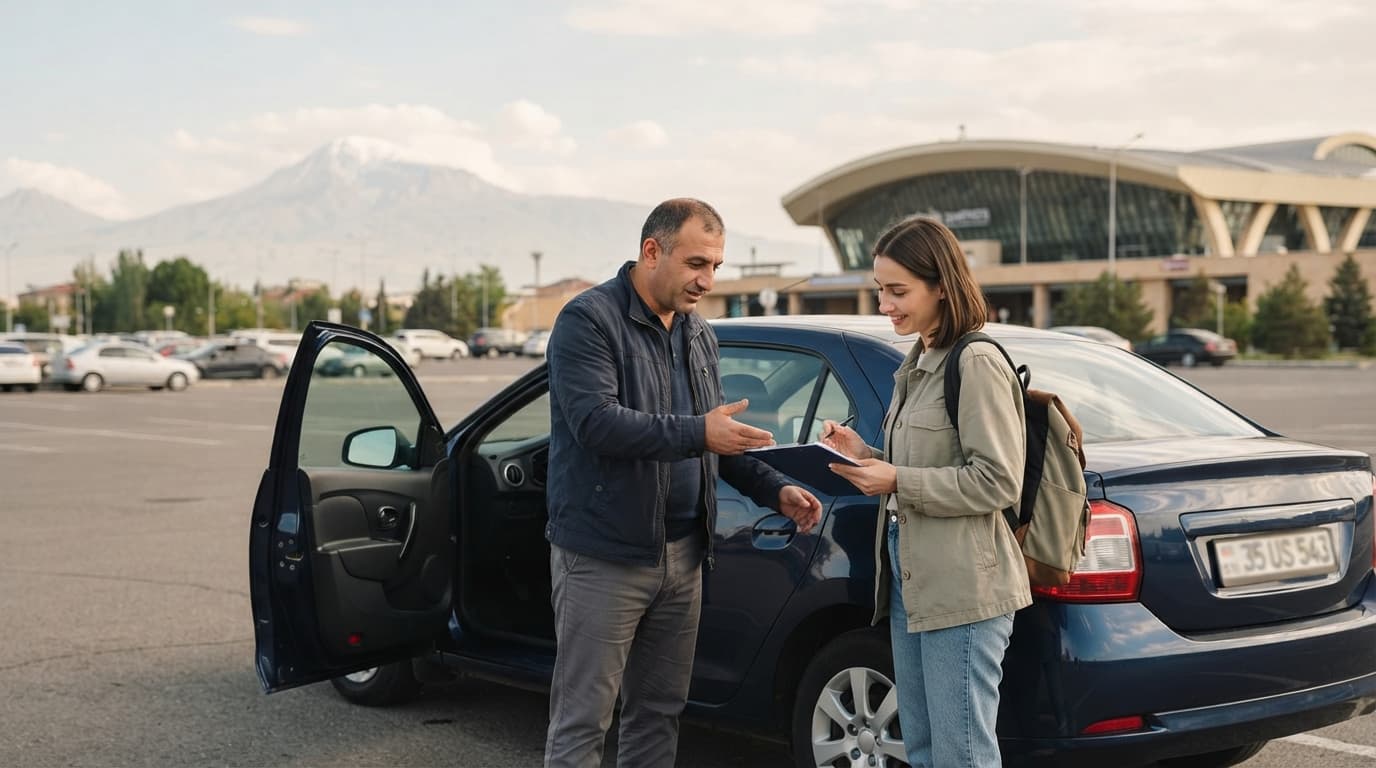
Tell the independent car owner in advance that you plan to drive from Dilijan to Lake Parz. Ask which roads the rental agreement permits and whether there are restrictions on unpaved or damaged sections. Ask for clear permission: simply knowing the name of your destination isn’t enough.
Check the tyres, look for damage and assess whether the car is ready for the trip. Ground clearance is the distance between the underside of the car and the ground. Compare it with the obstacles on the road, but remember that this measurement alone doesn’t establish the car’s grip or ability to pass safely.
Ask to see the applicable insurance policy and exclusions. Check whether the intended use and driver meet its terms, and what provisions apply in the event of damage or a breakdown. The owner’s permission is not insurance cover. Clarify any uncertain points with the insurer named in the policy.
Ask separately about assistance: whom to contact, who arranges vehicle recovery and how any costs are determined. Don’t assume assistance is available just because the car is listed. Confirm driver eligibility and the necessary documents in advance too; this guide does not provide an unverified list of legal requirements.
Who sets the deposit, insurance and handover terms?
JanCar is a peer-to-peer marketplace connecting independent owners and renters in Armenia; it doesn’t own the cars. Cross-check the rental listing and agreement against the owner’s answers. Verify the car, price, availability for your dates, mileage allowance, fuel terms, insurance and pickup and return locations.
A security deposit set by the owner is money required against obligations specified in the rental terms. JanCar does not receive, block or hold a security deposit. The renter and owner agree directly on how the fixed deposit stated in the listing is paid and returned, and on any conditions for deductions.
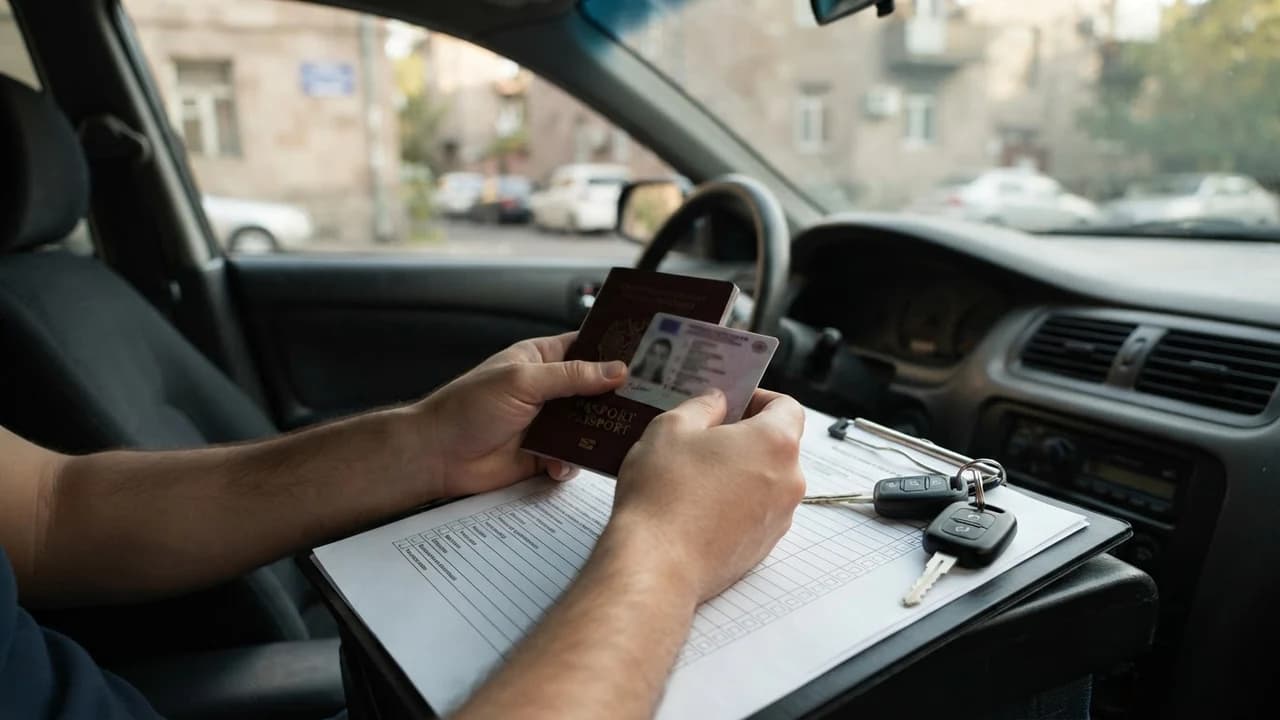
Agree on clear pickup and return times, including what happens if you’re delayed on the road. By mutual agreement, record the fuel level, mileage and existing damage, and take photos of the car if you wish. You can also prepare a digital handover record—a document recording the car’s condition—with a damage diagram and both parties’ signatures.
Repeat the same checks at return and compare the records with the car’s initial condition. These are practical ways to reduce disagreements, not guaranteed JanCar features or a guarantee that a dispute will be resolved. When choosing a car in JanCar’s catalogue, compare the terms, not just the photos and vehicle class.
Before the final stretch: when to continue and when to turn back
Continuing onto the final stretch is justified only when the road information, the car’s suitability and a safe return option are all clear. Uncertainty about parking is also a reason to stop before proceeding. “We’ll see when we get there” is no substitute for checking.
Checks you need before continuing
Before entering, assess mud, snow, possible ice, visibility and congestion. If you can’t reliably assess the risk, don’t drive onto the stretch just to test whether it’s passable. The car ahead may have different tyres, ground clearance or capabilities.
Establish in advance where you can turn around safely and whether the exit will remain clear. Having to reverse along a narrow section adds risk for an inexperienced driver. If returning would mean driving along an unfamiliar road edge or reversing a long distance through congestion, don’t continue.
Parking near Lake Parz: what to check on arrival
Confirm permitted parking areas, entry conditions and any fee with the operator responsible for parking or access. Record the date and time of the response, and ask what the fee covers and how payment is made. This guide does not confirm a current price, an available space or unrestricted access.
Before parking, check that the exit is clear and assess the walking route from the car to the lake. If you’re travelling with children, older people or a pushchair, ask specifically about slippery and uneven sections. Don’t block the roadway or park in the natural area without permission, even if other cars are already there.
Common mistakes and the safer alternative
The main mistakes are trusting an old photo, treating navigation directions as proof of passability and assuming an SUV provides enough protection. Entering congestion without assessing the way out is just as risky. When conditions are unknown, changing cars or handing the wheel to a more experienced driver doesn’t remove the road risk.
If the final stretch is unsafe, stay at or return to a confirmed safe place in Dilijan and postpone the visit. Don’t try an unfamiliar detour or replace driving a dangerous section with walking along that same section. If you’re staying overnight, confirm parking arrangements in advance as well.
Can you drive to Lake Parz in a regular passenger car?
You can’t decide that from the type of car alone. You need fresh information on the final stretch, a mechanically suitable vehicle and permission for that use under the rental agreement. If any of these is missing, don’t continue.
Can you continue as soon as the rain stops?
The rain stopping doesn’t confirm the road’s condition. Mud, puddles or damage may remain, so check the final stretch and your return options again.
Lake Parz by car: the final three-stage checklist
Save this decision checklist on your phone and reassess the three essentials at every stage: road, car and return route. Mark any unresolved point as “do not continue”, not “I’ll try it when I get there”.
- ☐ Before setting off: I have the source, the date and time of my check, weather information and confirmation of conditions on the final stretch. I’ve checked the owner’s terms, insurance, the car and the return time.
- ☐ Before entering the final stretch: The information matches the visible conditions. There are no unresolved risks from mud, snow, ice or congestion; the car is suitable, and I know where I can turn around safely.
- ☐ Before parking and returning: I’ve confirmed the parking place, any fee, the walking approach and a clear exit. I’ve reassessed the return route and weather, and I’m ready to record the car’s condition with the owner.
If an answer is missing at any stage, choose to stay somewhere safe in Dilijan or postpone the visit. Your next step is to confirm current conditions on the final stretch and the car owner’s terms—before you set off.
Related searches and guides
Find more guidance in these checked, related guides.
- Enokavan and Lastiver by car: how far to drive and where to park
- Checking hotel parking before a road trip
This is general information. JanCar does not receive or hold a vehicle deposit. Check price, deposit, insurance and every other term on the listing and directly with the owner.
More JanCar guides
Continue with these closely related practical guides.
Where to go next
- Car Rental in Sevan: Summer Season and Trips Around the Lake
- Hail and Thunderstorms on the Road: How to Protect Your Passengers and the Car
- Yenokavan Lastiver by car: road access and parking
- Gravel Road in a Rental Car: Push On or Turn Back?
Sources
- JanCar — how it works
jancar.am · official source
- JanCar car catalogue
jancar.am · official source